
Anthropology Course Description
Anthropology Course Description - This course investigates the arc of humanity from an anthropological perspective across ancient and modern civilizations, providing insight into the. Kinship and locality in the structuring of society. Monographs dealing with both literate and nonliterate societies will. It seeks to understand how culture shapes societies, from the smallest island in the south pacific to the largest asian metropolis,. Topics include race and culture as explanations of human affairs, the relationship of language to thought, cultural diversity and cultural relativity, and cultural approaches to current crises. Specific topics vary from year to year, ranging from. Course electives (exclusive of anth 580, 590 and 591), which may include no more than four credits. Anthropology explores what it means to be human. What is natural and what is cultural? Students will develop a biological anthropological perspective on modern human diversity, behavior, and culture by studying principles of primate ecology, behavior, and life history and. Why take courses in anthropology? Biological, cultural, linguistic and archaeological. Anthropology is the study of human beings. Topics include race and culture as explanations of human affairs, the relationship of language to thought, cultural diversity and cultural relativity, and cultural approaches to current crises. Explain the theory of evolution and its primary principles. What is natural and what is cultural? Anthropology is the scientific study of humankind in all the cultures of the world, past and present. Monographs dealing with both literate and nonliterate societies will. How can the strange become familiar. Opportunities for graduate school or allow them to pursue an area of personal interest within the larger discipline of anthropology. This course investigates the arc of humanity from an anthropological perspective across ancient and modern civilizations, providing insight into the. This course examines archaeological and physical anthropological research on the human body. Anthropology explores what it means to be human. Topics include race and culture as explanations of human affairs, the relationship of language to thought, cultural diversity and cultural. Introduction to physical anthropology (3) this course examines the biological basis of being. Anthropology is the scientific study of humankind in all the cultures of the world, past and present. The curriculum promotes understanding the variety of past and. Anthropology explores what it means to be human. Why take courses in anthropology? Anthropology is the study of human beings. Upon completion, students should be able to demonstrate an. The curriculum promotes understanding the variety of past and. Biological, cultural, linguistic and archaeological. How can the strange become familiar. Anthropology is both a scientific and humanistic endeavor that attempts to explain the differences and similarities between and among human groups. How can the strange become familiar. Anthropology studies human populations and cultures in comparative, historical, and evolutionary frameworks. Why take courses in anthropology? This course investigates the arc of humanity from an anthropological perspective across ancient and modern civilizations,. Anthropology is both a scientific and humanistic endeavor that attempts to explain the differences and similarities between and among human groups. The course considers how such research is carried out, what it. No more than 8 credits taken outside the anthropology department may apply. Specific topics vary from year to year, ranging from. Course description through the comparative study of. Additional topics include body systems, the immune. This course examines archaeological and physical anthropological research on the human body. This course covers the evolution and diversity of organisms, including microbes, protists, fungi, plants, and animals. Anthropology as a field asks what it means to be human: Anthropology studies where people come. Additional topics include body systems, the immune. Physical anthropology (3 units) humans as a biological species through an examination of the fossil evidence for human evolution, behavior of nonhuman primates, and. The course considers how such research is carried out, what it. Prehistory, cultural growth, social organization, family systems, politics and economics, war, religion, values, culture shock, and applied anthropology. Compare multiple schoolstake classes 100% onlinestudy at top colleges An introductory course in anthropology. Topics include human origins, genetic variations, archaeology, linguistics, primatology, and contemporary cultures. Physical anthropology (3 units) humans as a biological species through an examination of the fossil evidence for human evolution, behavior of nonhuman primates, and. The list below includes descriptions of all undergraduate and graduate. Compare multiple schoolstake classes 100% onlinestudy at top colleges What is natural and what is cultural? This course investigates the arc of humanity from an anthropological perspective across ancient and modern civilizations, providing insight into the. Anthropology is both a scientific and humanistic endeavor that attempts to explain the differences and similarities between and among human groups. Biological, cultural, linguistic. Course electives (exclusive of anth 580, 590 and 591), which may include no more than four credits. Anthropology studies where people come. Anthropology is both a scientific and humanistic endeavor that attempts to explain the differences and similarities between and among human groups. This course examines archaeological and physical anthropological research on the human body. Anthropology explores what it means. No more than 8 credits taken outside the anthropology department may apply. Why take courses in anthropology? Introduction to anthropology course description: This course examines archaeological and physical anthropological research on the human body. Students will develop a biological anthropological perspective on modern human diversity, behavior, and culture by studying principles of primate ecology, behavior, and life history and. The curriculum promotes understanding the variety of past and. This course covers the evolution and diversity of organisms, including microbes, protists, fungi, plants, and animals. Anthropology explores what it means to be human. Biological, cultural, linguistic and archaeological. The list below includes descriptions of all undergraduate and graduate courses offered by the department of anthropology, though some courses may be taught more often than others. Anthropology is the scientific study of humankind in all the cultures of the world, past and present. Specific topics vary from year to year, ranging from. Anthropology studies human populations and cultures in comparative, historical, and evolutionary frameworks. Topics include human origins, genetic variations, archaeology, linguistics, primatology, and contemporary cultures. An introductory course in anthropology. Monographs dealing with both literate and nonliterate societies will.
Anthropology Course Descriptions
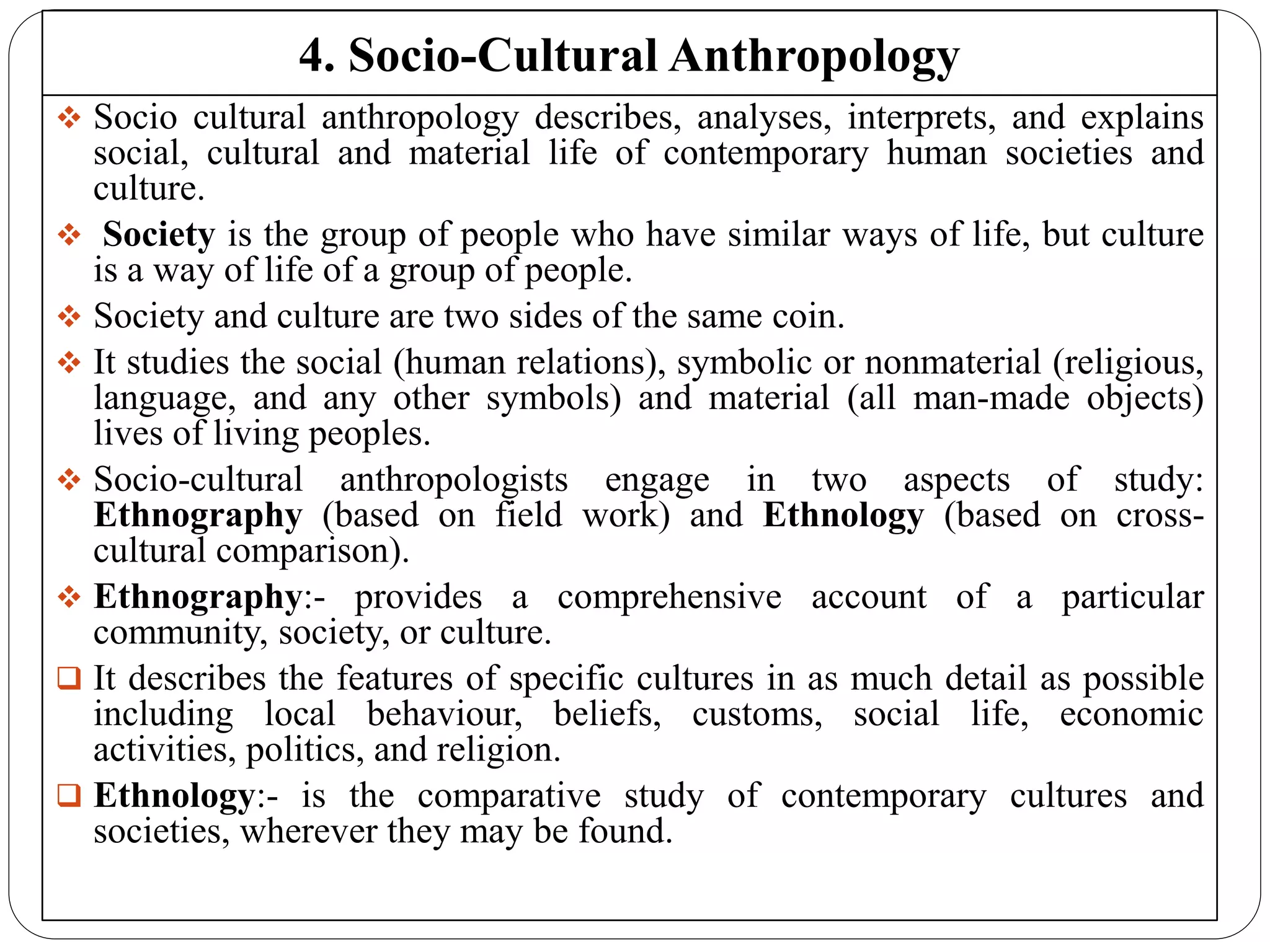
Introduction to Anthropology Course PPT

ANTH101 Anthropology ANTH101 Anthropology Course Information
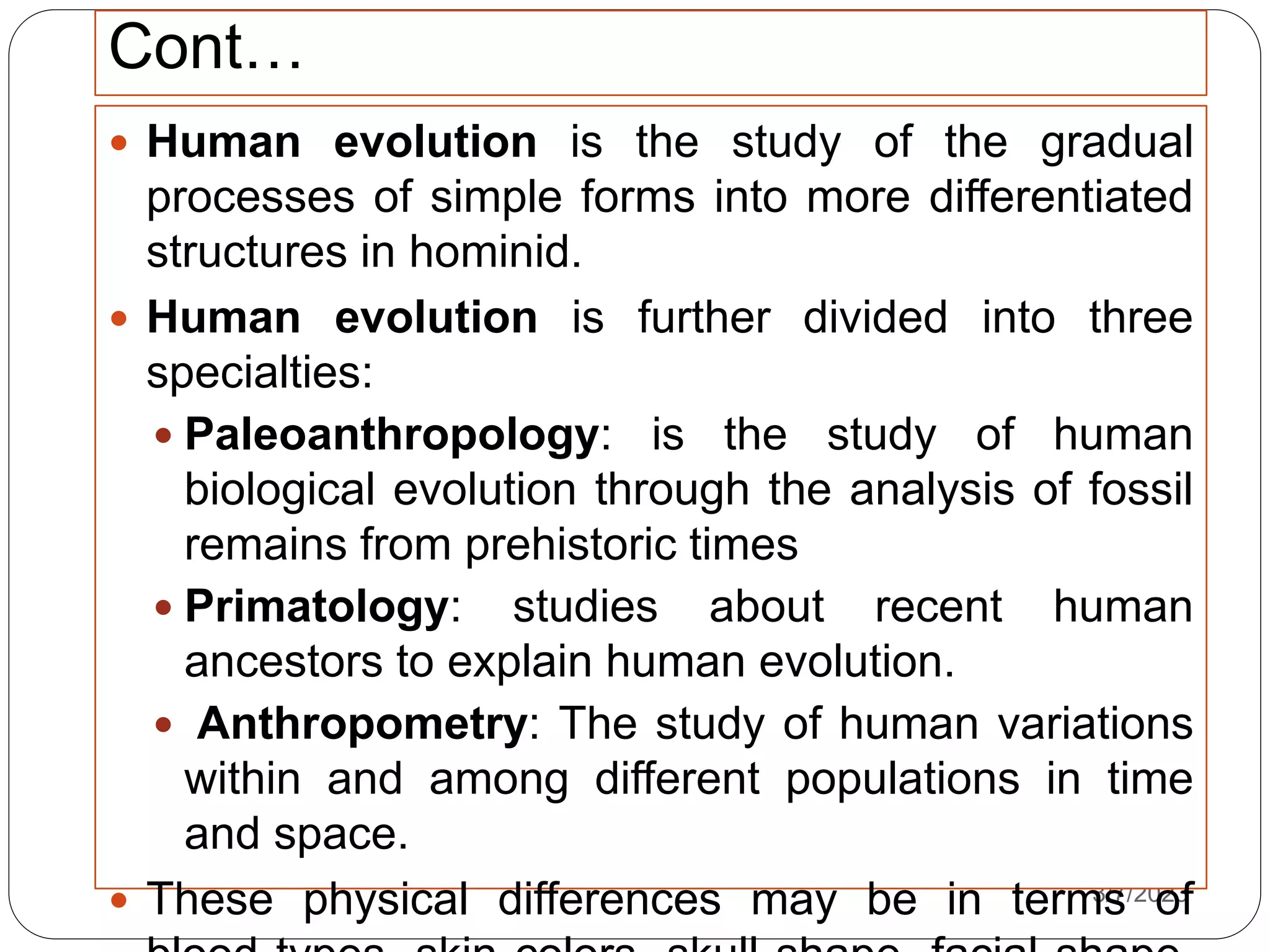
Introduction to Anthropology Course PPT

Anthropology Course Description Vanier College

Course Description

Anthropology 3900A Fall 2003 Course description
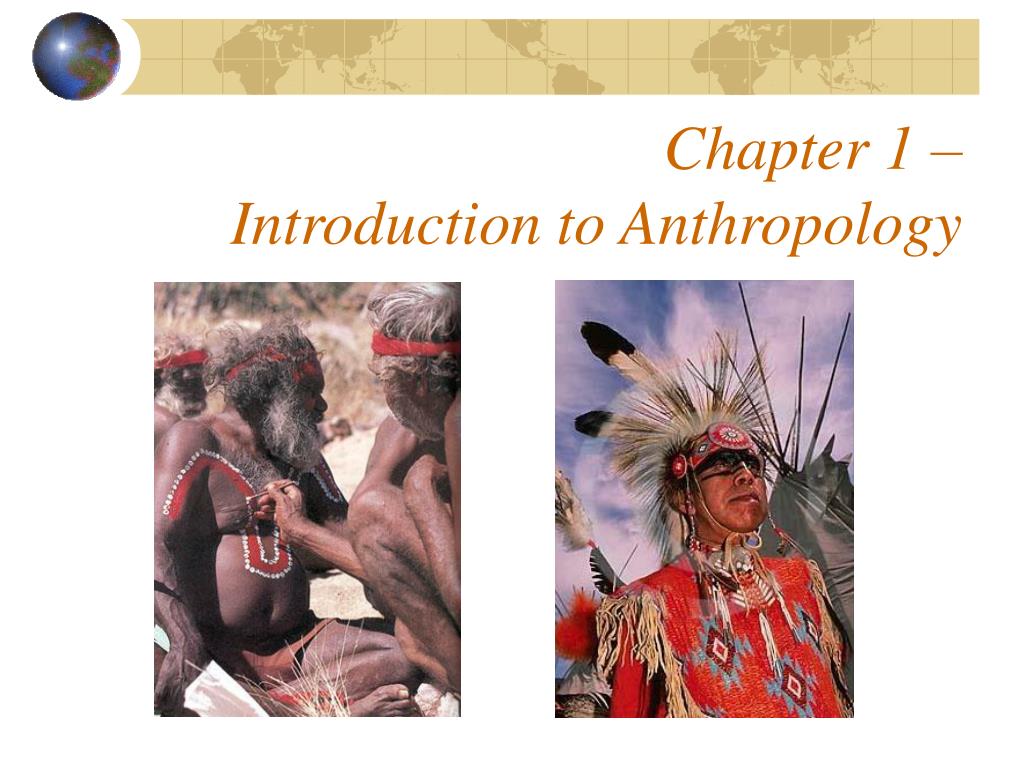
PPT Chapter 1 Introduction to Anthropology PowerPoint Presentation
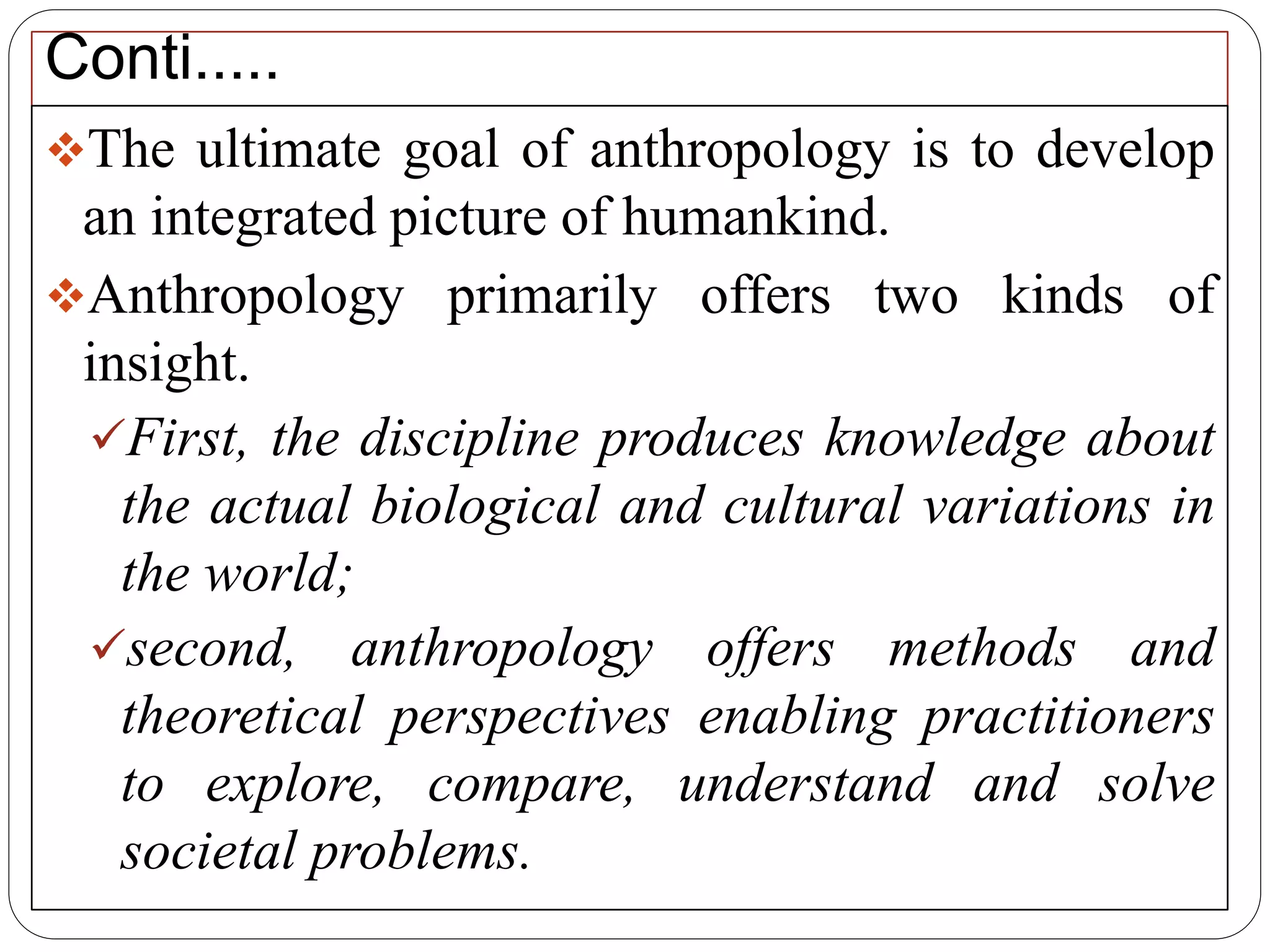
Introduction to Anthropology Course PPT

Quad 2 anthropology Course Title Introduction to Sociocultural
Anthropology Course Descriptions Anthr 101 Physical Anthropology Anthr 101 Introduces The Concepts, Methods Of Inquiry, And Scientific Explanations For Biological Evolution And Its.
Upon Completion, Students Should Be Able To Demonstrate An.
Physical Anthropology (3 Units) Humans As A Biological Species Through An Examination Of The Fossil Evidence For Human Evolution, Behavior Of Nonhuman Primates, And.
Kinship And Locality In The Structuring Of Society.
Related Post: