
Combat Diver Qualification Course
Combat Diver Qualification Course - The combat diver qualification, combat diving. A basic combat diver qualification course, a combat diving supervisor course, a dive medical technician course, and a water infiltration. The key west school runs four courses: Special forces combat diver qualification course (cdqc). This means that they only select the best. The combat diver qualification course (cdqc) is one of the most physically and mentally demanding training opportunities for cadets. You will train in waterborne operations, diving physics, marine hazards, and more. The most highly selective program available to cadets, the combat diver qualification course (cdqc) has less than fifteen cadet slots each year. The special operations combat diver qualification course (cdqc), also known as dive school or scuba school, is one of the hardest and most respected schools in the global special. In addition to dive training the member of a special forces combat dive team must be skilled in helicast, small boats, water. Special forces soldiers who are combat diver qualified perform annual maritime training in order to maintain proficiency in conducting waterborne operations. The special operations combat diver qualification course (cdqc), also known as dive school or scuba school, is one of the hardest and most respected schools in the global special. This means that they only select the best. The combat diver qualification, combat diving. You will train in waterborne operations, diving physics, marine hazards, and more. 8.5 x 11 parchment papermilitary commemorativespersonalized documents Special forces odas that specialize in scuba and other amphibious. A basic combat diver qualification course, a combat diving supervisor course, a dive medical technician course, and a water infiltration. The most highly selective program available to cadets, the combat diver qualification course (cdqc) has less than fifteen cadet slots each year. In addition to dive training the member of a special forces combat dive team must be skilled in helicast, small boats, water. The combat diver qualification course (cdqc) is one of the most physically and mentally demanding training opportunities for cadets. Learn how to become a combat diver in the u.s. The special operations combat diver qualification course (cdqc), also known as dive school or scuba school, is one of the hardest and most respected schools in the global special. In addition. 8.5 x 11 parchment papermilitary commemorativespersonalized documents A basic combat diver qualification course, a combat diving supervisor course, a dive medical technician course, and a water infiltration. In addition to dive training the member of a special forces combat dive team must be skilled in helicast, small boats, water. The most highly selective program available to cadets, the combat diver. Special forces soldiers who are combat diver qualified perform annual maritime training in order to maintain proficiency in conducting waterborne operations. Special forces combat diver qualification course (cdqc). The combat diver qualification, combat diving. Special forces odas that specialize in scuba and other amphibious. 8.5 x 11 parchment papermilitary commemorativespersonalized documents The most highly selective program available to cadets, the combat diver qualification course (cdqc) has less than fifteen cadet slots each year. Special forces odas that specialize in scuba and other amphibious. You will train in waterborne operations, diving physics, marine hazards, and more. In addition to dive training the member of a special forces combat dive team must be. The most highly selective program available to cadets, the combat diver qualification course (cdqc) has less than fifteen cadet slots each year. 8.5 x 11 parchment papermilitary commemorativespersonalized documents You will train in waterborne operations, diving physics, marine hazards, and more. Special forces soldiers who are combat diver qualified perform annual maritime training in order to maintain proficiency in conducting. Special forces odas that specialize in scuba and other amphibious. Special forces soldiers who are combat diver qualified perform annual maritime training in order to maintain proficiency in conducting waterborne operations. The combat diver qualification course (cdqc) is one of the most physically and mentally demanding training opportunities for cadets. The special operations combat diver qualification course (cdqc), also known. The most highly selective program available to cadets, the combat diver qualification course (cdqc) has less than fifteen cadet slots each year. 8.5 x 11 parchment papermilitary commemorativespersonalized documents Training is held at the united states naval air. A basic combat diver qualification course, a combat diving supervisor course, a dive medical technician course, and a water infiltration. In addition. The combat diver qualification, combat diving. In addition to dive training the member of a special forces combat dive team must be skilled in helicast, small boats, water. Learn how to become a combat diver in the u.s. The special operations combat diver qualification course (cdqc), also known as dive school or scuba school, is one of the hardest and. The key west school runs four courses: A basic combat diver qualification course, a combat diving supervisor course, a dive medical technician course, and a water infiltration. The combat diver qualification, combat diving. Special forces combat diver qualification course (cdqc). 8.5 x 11 parchment papermilitary commemorativespersonalized documents Special forces odas that specialize in scuba and other amphibious. The most highly selective program available to cadets, the combat diver qualification course (cdqc) has less than fifteen cadet slots each year. In addition to dive training the member of a special forces combat dive team must be skilled in helicast, small boats, water. Training is held at the united. A basic combat diver qualification course, a combat diving supervisor course, a dive medical technician course, and a water infiltration. Training is held at the united states naval air. The most highly selective program available to cadets, the combat diver qualification course (cdqc) has less than fifteen cadet slots each year. In addition to dive training the member of a special forces combat dive team must be skilled in helicast, small boats, water. Special forces odas that specialize in scuba and other amphibious. The combat diver qualification, combat diving. This means that they only select the best. Special forces soldiers who are combat diver qualified perform annual maritime training in order to maintain proficiency in conducting waterborne operations. Learn how to become a combat diver in the u.s. The special operations combat diver qualification course (cdqc), also known as dive school or scuba school, is one of the hardest and most respected schools in the global special. Special forces combat diver qualification course (cdqc). You will train in waterborne operations, diving physics, marine hazards, and more.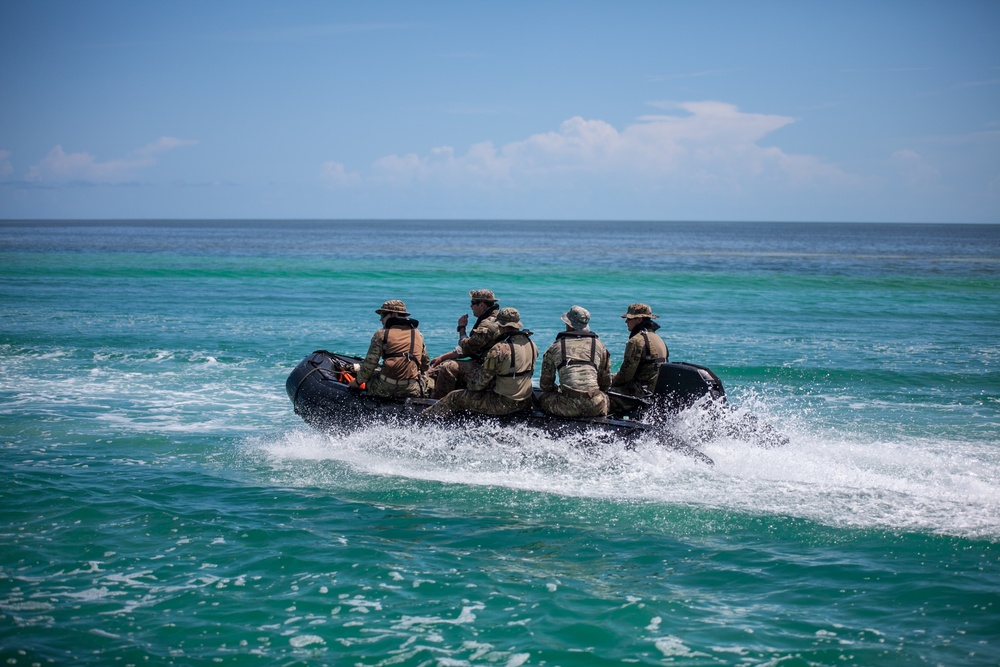
DVIDS Images Soldiers Attend the U.S. Army Special Forces Combat
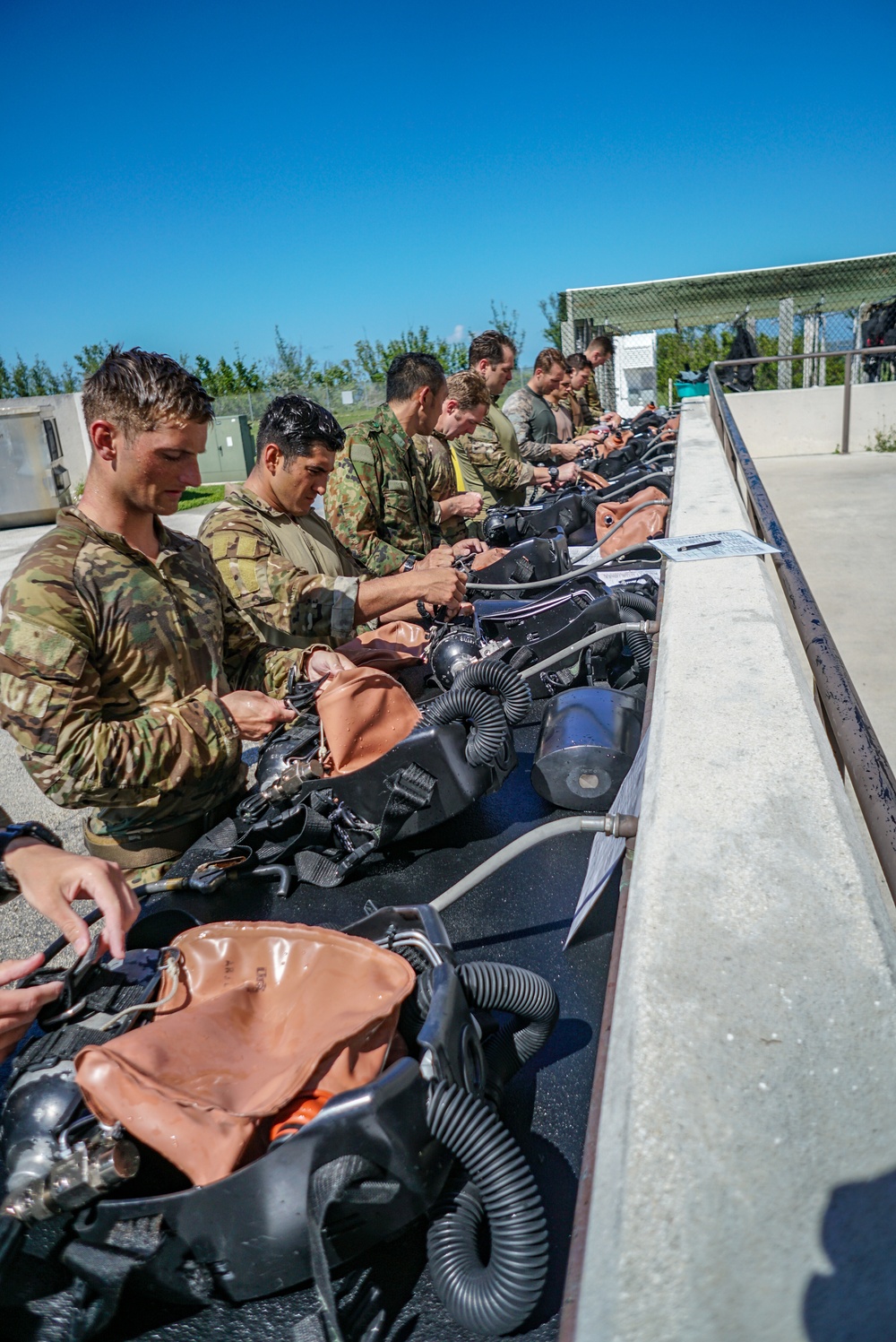
DVIDS Images Soldiers Attend the U.S. Army Special Forces Combat
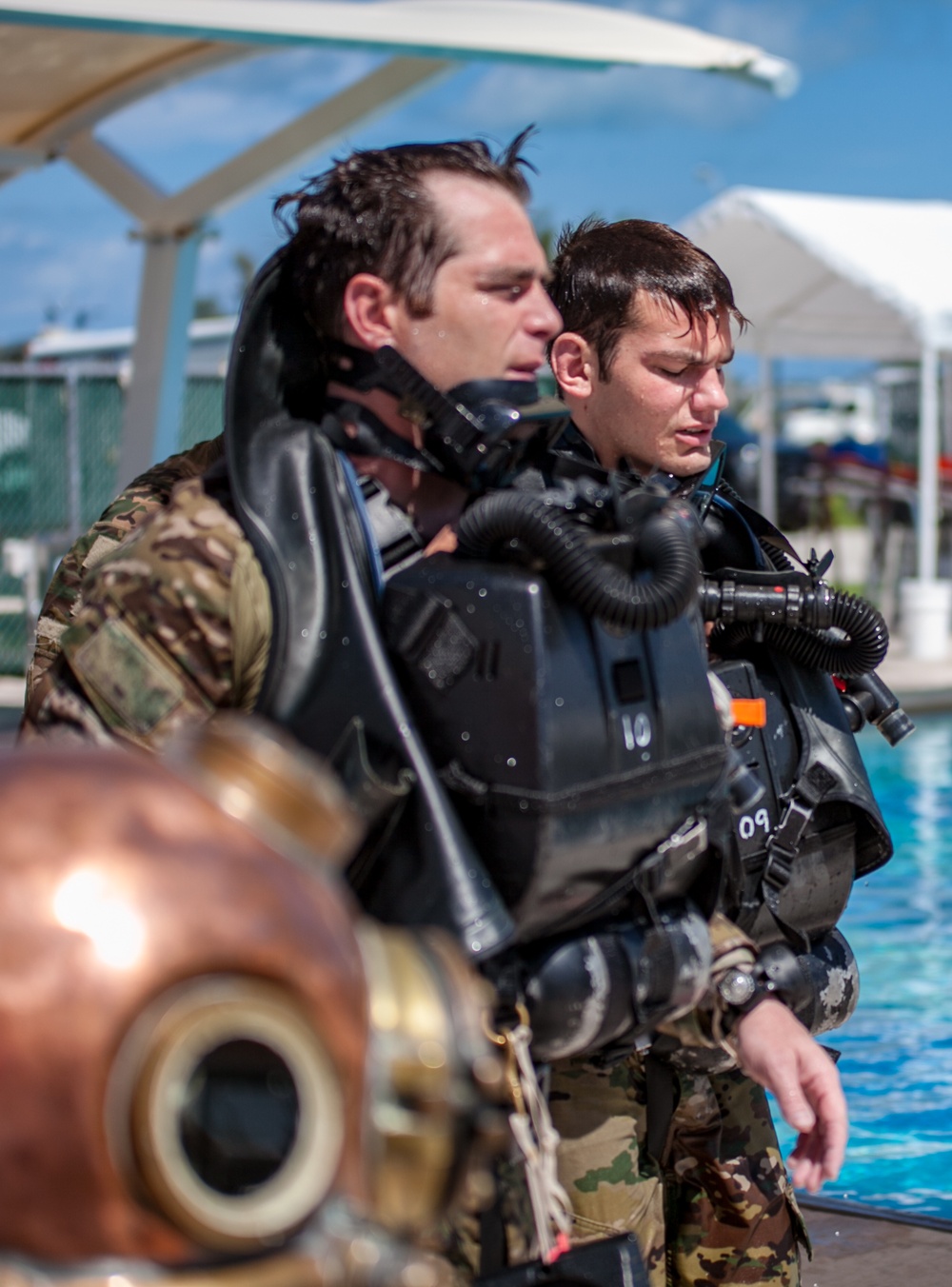
DVIDS Images Soldiers Attend the U.S. Army Special Forces Combat
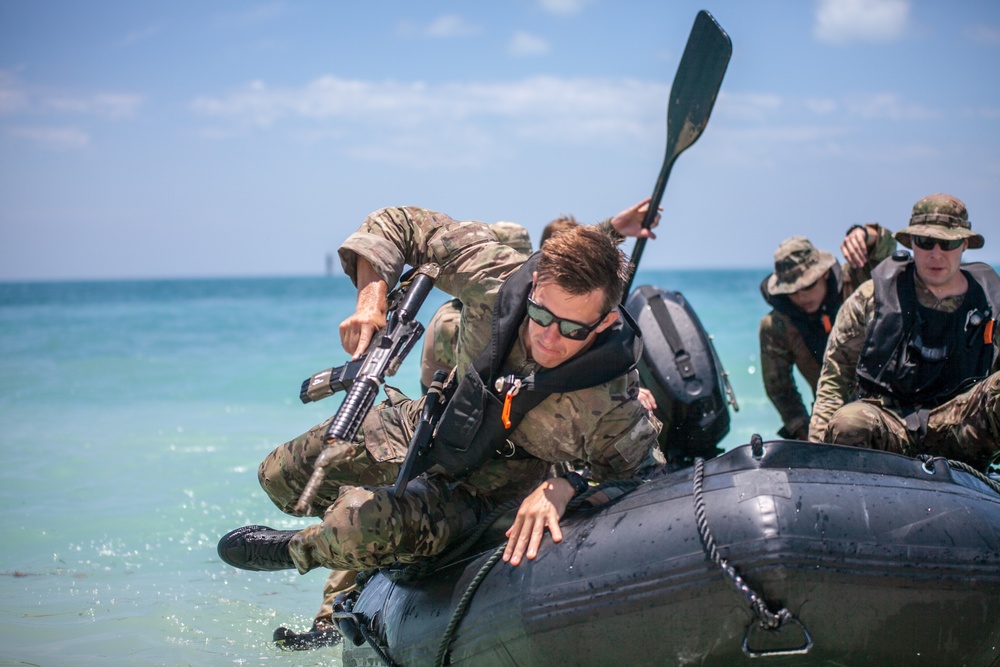
DVIDS Images Soldiers Attend the U.S. Army Special Forces Combat
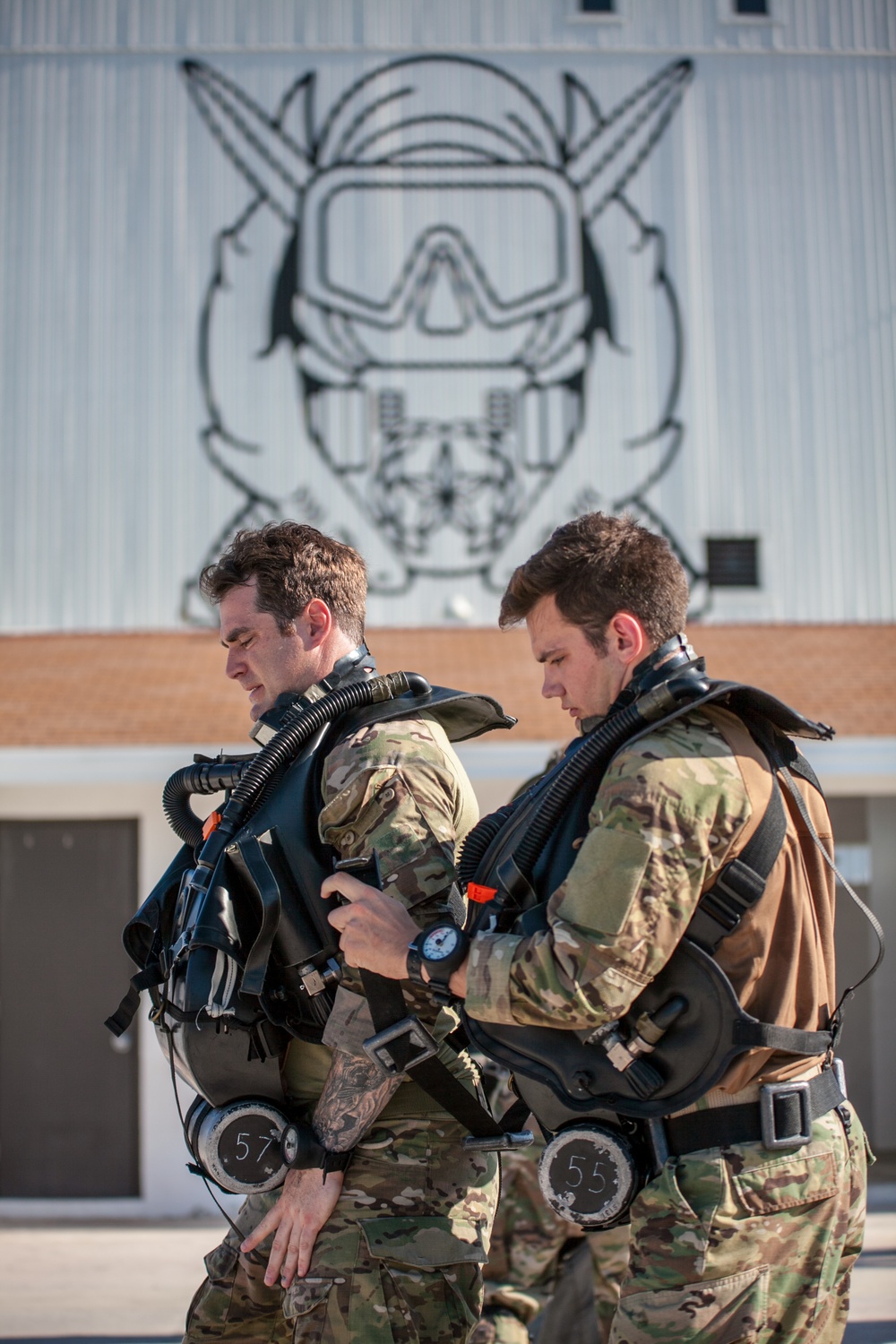
DVIDS Images Soldiers Attend the U.S. Army Special Forces Combat
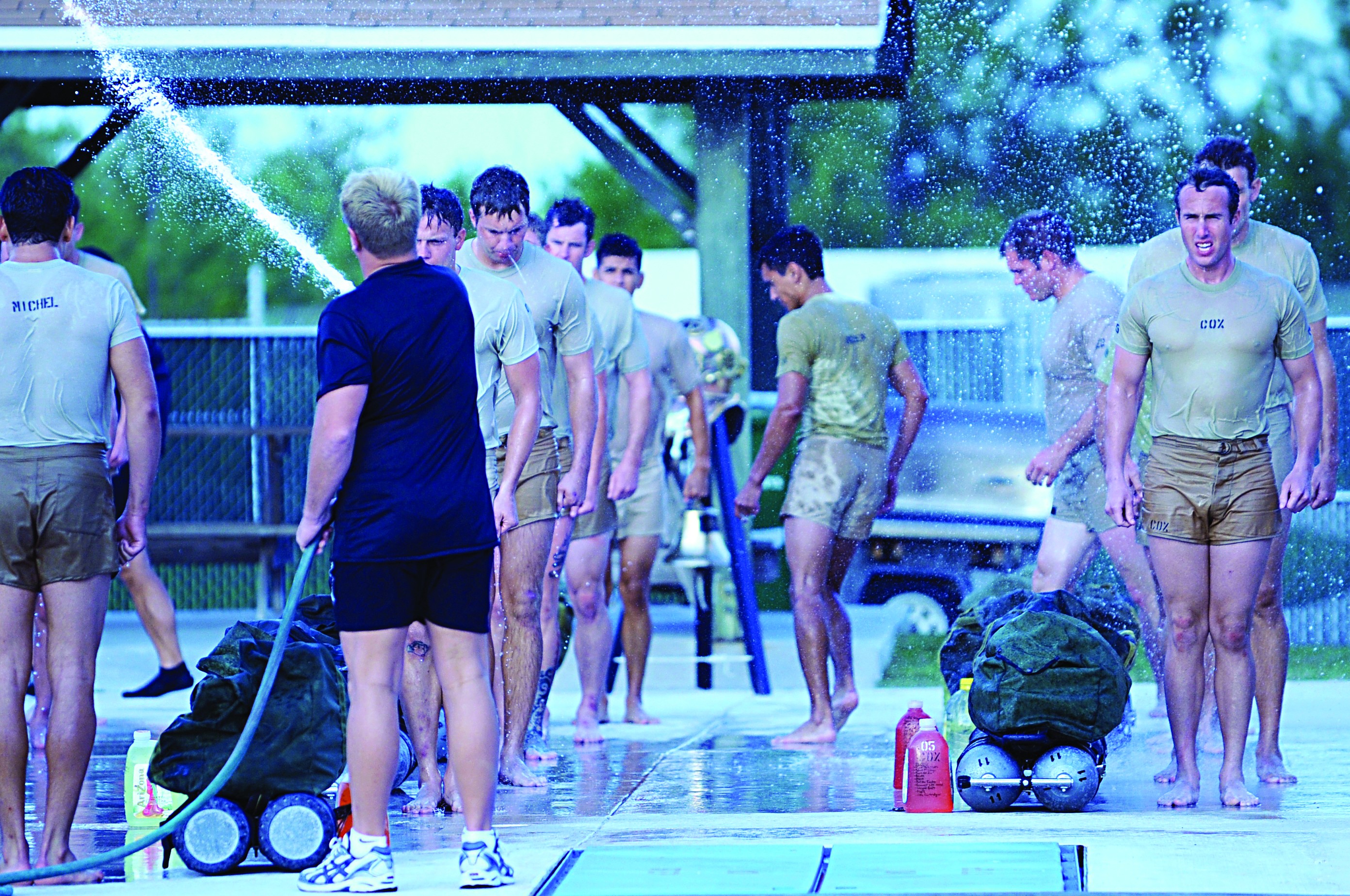
Combat Diver Qualification Course challenges Special Forces Article
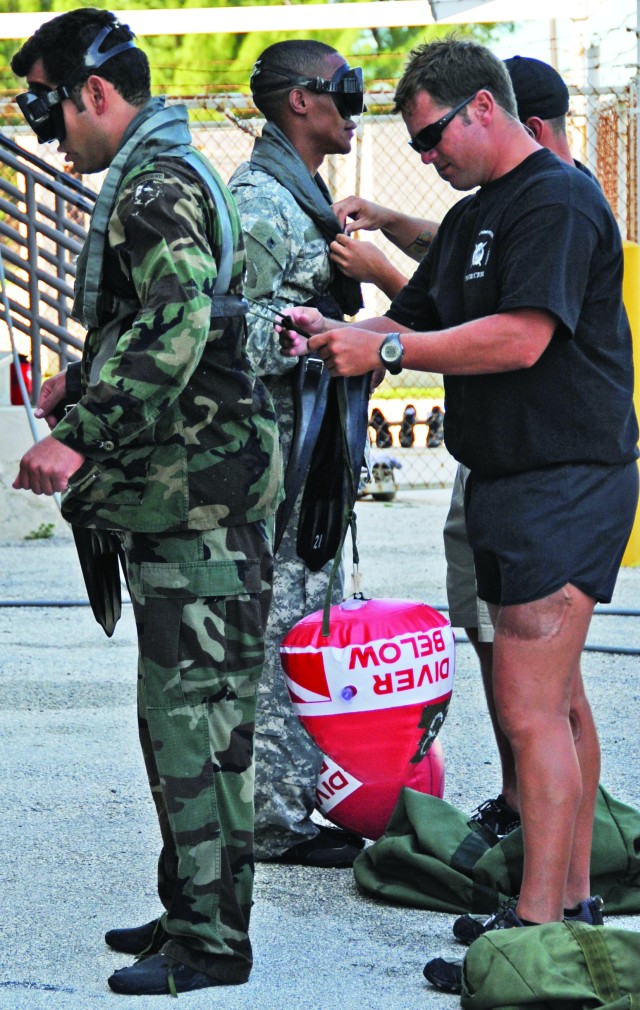
Combat Diver Qualification Course challenges Special Forces Article
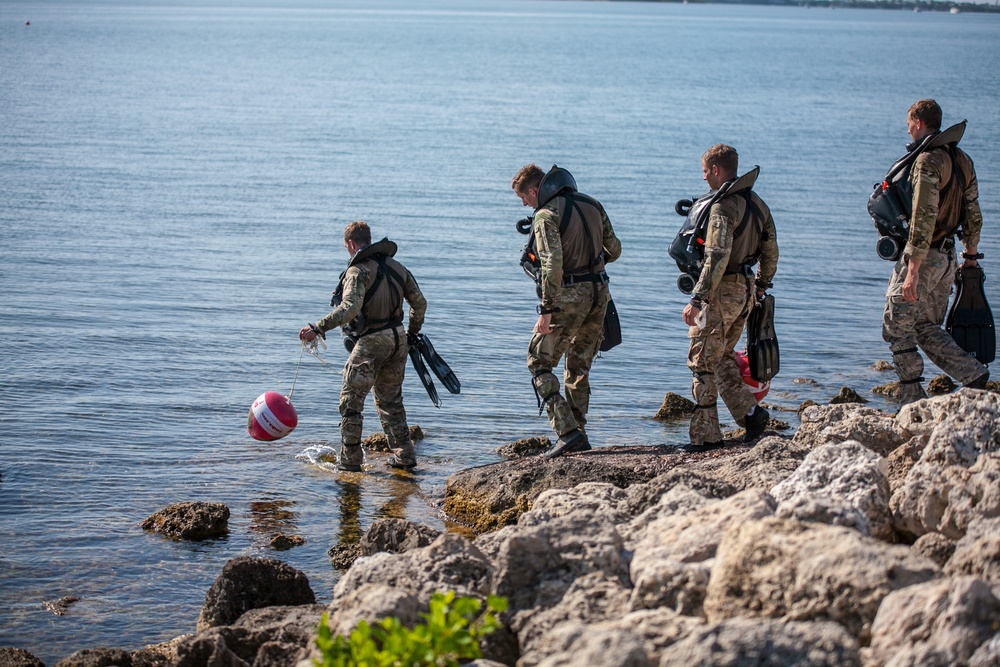
DVIDS Images Soldiers Attend the U.S. Army Special Forces Combat
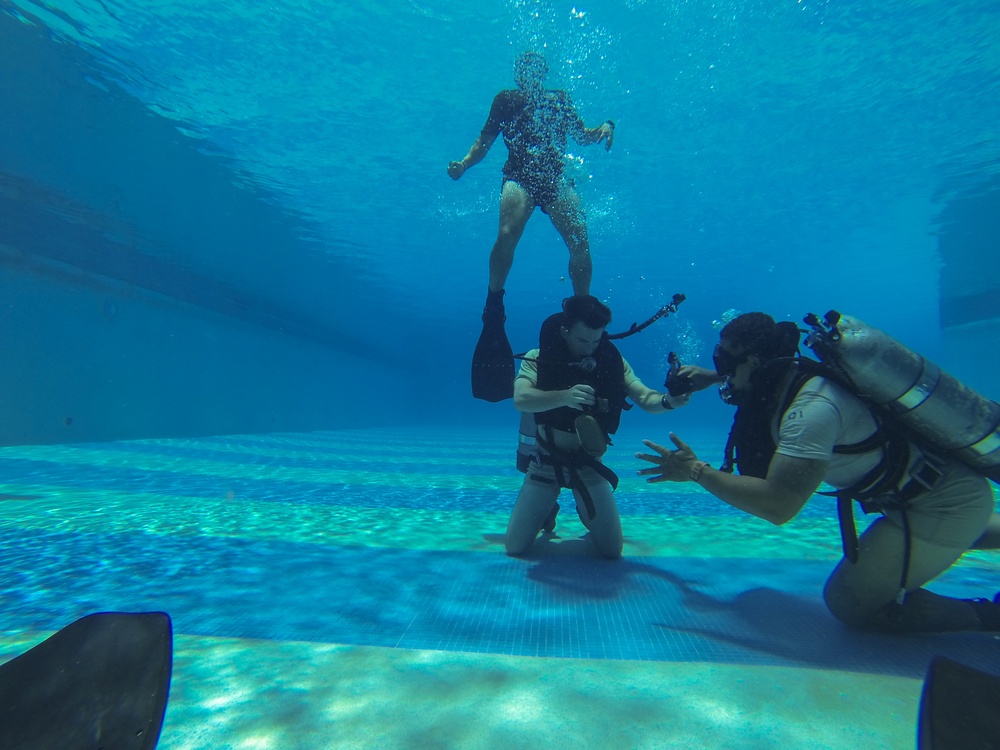
DVIDS Images Soldiers Attend the U.S. Army Special Forces Combat
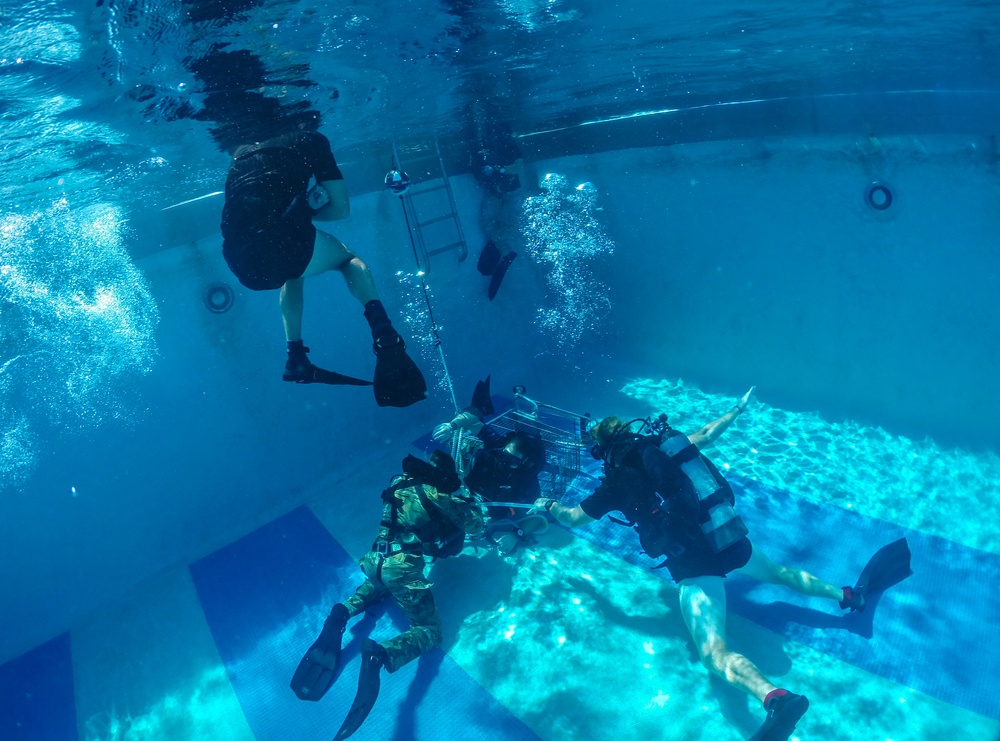
DVIDS Images Soldiers Attend the U.S. Army Special Forces Combat
The Key West School Runs Four Courses:
8.5 X 11 Parchment Papermilitary Commemorativespersonalized Documents
The Combat Diver Qualification Course (Cdqc) Is One Of The Most Physically And Mentally Demanding Training Opportunities For Cadets.
Related Post: