
Course Deviation Indicator
Course Deviation Indicator - The horizontal situation indicator (hsi) is the panel mounted cockpit indicator that provides a comprehensive display including usually at least heading, course, and glide scope. It does not affect settings of cdi at all, because ils does not take the obs course into account. When the aircraft is left side of the course, the course deviation indicator (cdi) needle will deflect to the right and when the aircraft is right side of the course, the needle deflects to the left. It makes for good human factors. How does a front course and a back course affect your cdi settings? In your image, it shows that the aircraft needs to correct to the left and a little upwards, so that it. Next, if you think that in your scenario a left turn is the best method to get established on an easterly course of 090 from a navaid, then i propose we have a friendly imaginary race to demonstrate why that might not be the best choice. Getting the needle inside the outside dot means you've captured the signal. We will run 2 heats. A course deviation indicator (cdi) is an avionics instrument used in aircraft navigation to determine an aircraft's lateral position in relation to a course. An actual gauge would look like this: If the location of the aircraft is to the left of course, the needle deflects to the right, and vice versa. It does not affect settings of cdi at all, because ils does not take the obs course into account. It makes for good human factors. Cdi = course deviation indicator; The horizontal situation indicator (hsi) is the panel mounted cockpit indicator that provides a comprehensive display including usually at least heading, course, and glide scope. After getting on course, a deviation out to the first dot means it's time to go missed. When the aircraft is left side of the course, the course deviation indicator (cdi) needle will deflect to the right and when the aircraft is right side of the course, the needle deflects to the left. Getting the needle inside the outside dot means you've captured the signal. How does a front course and a back course affect your cdi settings? When the aircraft is left side of the course, the course deviation indicator (cdi) needle will deflect to the right and when the aircraft is right side of the course, the needle deflects to the left. A course deviation indicator (cdi) is an avionics instrument used in aircraft navigation to determine an aircraft's lateral position in relation to a course.. When the aircraft is left side of the course, the course deviation indicator (cdi) needle will deflect to the right and when the aircraft is right side of the course, the needle deflects to the left. If the location of the aircraft is to the left of course, the needle deflects to the right, and vice versa. After getting on. How does a front course and a back course affect your cdi settings? An actual gauge would look like this: If the location of the aircraft is to the left of course, the needle deflects to the right, and vice versa. A course deviation indicator (cdi) is an avionics instrument used in aircraft navigation to determine an aircraft's lateral position. The horizontal situation indicator (hsi) is the panel mounted cockpit indicator that provides a comprehensive display including usually at least heading, course, and glide scope. A course deviation indicator (cdi) is an avionics instrument used in aircraft navigation to determine an aircraft's lateral position in relation to a course. We will run 2 heats. The 2 dot display puts a. An actual gauge would look like this: How does a front course and a back course affect your cdi settings? The heading indicator of the hsi is a remote indicating compass that gets its information from a remote slaving transmitter. In your image, it shows that the aircraft needs to correct to the left and a little upwards, so that. An actual gauge would look like this: The horizontal situation indicator (hsi) is the panel mounted cockpit indicator that provides a comprehensive display including usually at least heading, course, and glide scope. How does a front course and a back course affect your cdi settings? A course deviation indicator (cdi) is an avionics instrument used in aircraft navigation to determine. How does a front course and a back course affect your cdi settings? Getting the needle inside the outside dot means you've captured the signal. When the aircraft is left side of the course, the course deviation indicator (cdi) needle will deflect to the right and when the aircraft is right side of the course, the needle deflects to the. Next, if you think that in your scenario a left turn is the best method to get established on an easterly course of 090 from a navaid, then i propose we have a friendly imaginary race to demonstrate why that might not be the best choice. It does not affect settings of cdi at all, because ils does not take. The horizontal situation indicator (hsi) is the panel mounted cockpit indicator that provides a comprehensive display including usually at least heading, course, and glide scope. When the aircraft is left side of the course, the course deviation indicator (cdi) needle will deflect to the right and when the aircraft is right side of the course, the needle deflects to the. A course deviation indicator (cdi) is an avionics instrument used in aircraft navigation to determine an aircraft's lateral position in relation to a course. In your image, it shows that the aircraft needs to correct to the left and a little upwards, so that it. An actual gauge would look like this: It indicates left when it senses more of. The 2 dot display puts a dot at that point and at full scale. After getting on course, a deviation out to the first dot means it's time to go missed. That image is a basic representation of a course deviation indicator, as mentioned by steve h. We will run 2 heats. It makes for good human factors. The horizontal situation indicator (hsi) is the panel mounted cockpit indicator that provides a comprehensive display including usually at least heading, course, and glide scope. When the aircraft is left side of the course, the course deviation indicator (cdi) needle will deflect to the right and when the aircraft is right side of the course, the needle deflects to the left. In your image, it shows that the aircraft needs to correct to the left and a little upwards, so that it. It indicates left when it senses more of the left signal and right if it senses more of the right signal, independent of anything else. An actual gauge would look like this: Cdi = course deviation indicator; If the location of the aircraft is to the left of course, the needle deflects to the right, and vice versa. A course deviation indicator (cdi) is an avionics instrument used in aircraft navigation to determine an aircraft's lateral position in relation to a course. Next, if you think that in your scenario a left turn is the best method to get established on an easterly course of 090 from a navaid, then i propose we have a friendly imaginary race to demonstrate why that might not be the best choice.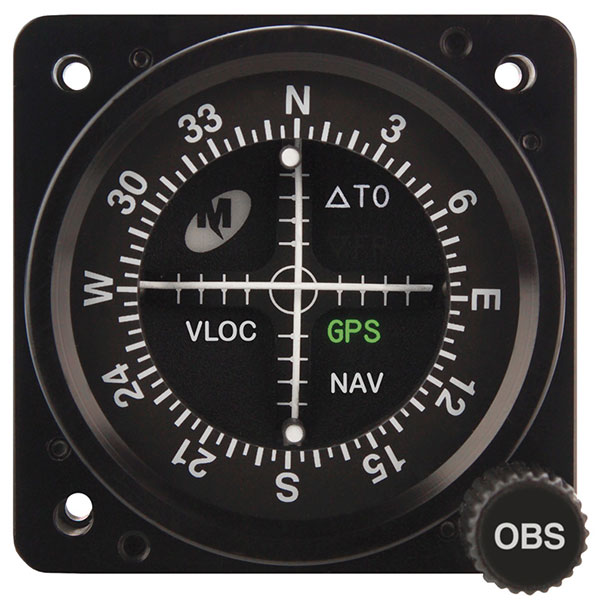
MidContinent Instr & Avionics MD222 2" Course Deviation Indicator
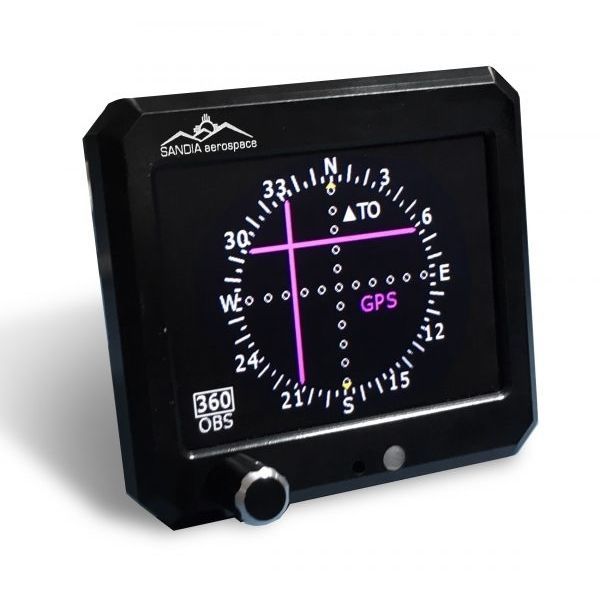
Electronic course deviation indicator Si11X Sandia Aerospace for
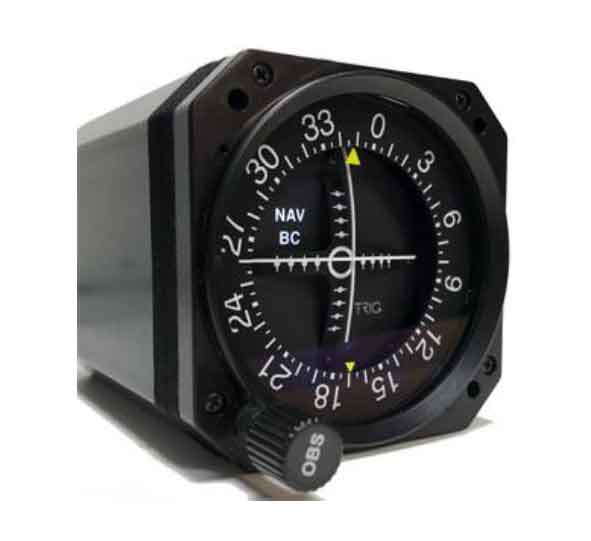
Trig TI106 CDI Course Deviation Indicator 3in

How VOR Works VHF Omnidirectional Range
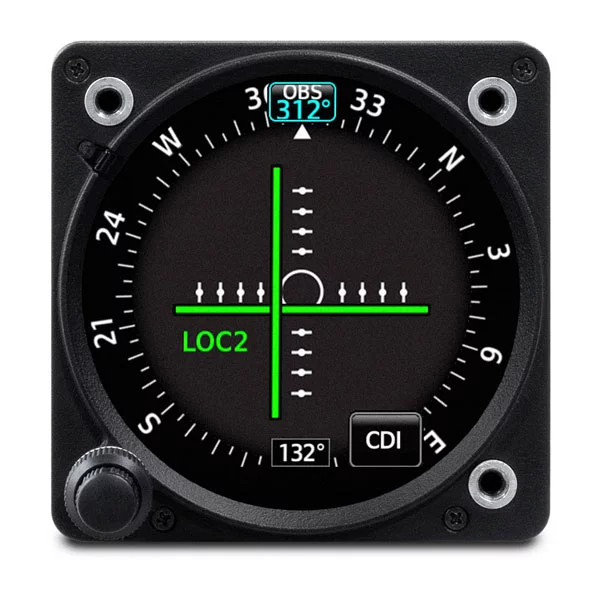
Garmin GI 106B Course Deviation Indicator (CDI)

Trig TI106 CDI (Course Deviation Indicator)

TI106 Trig CDI Course Deviation Indicator
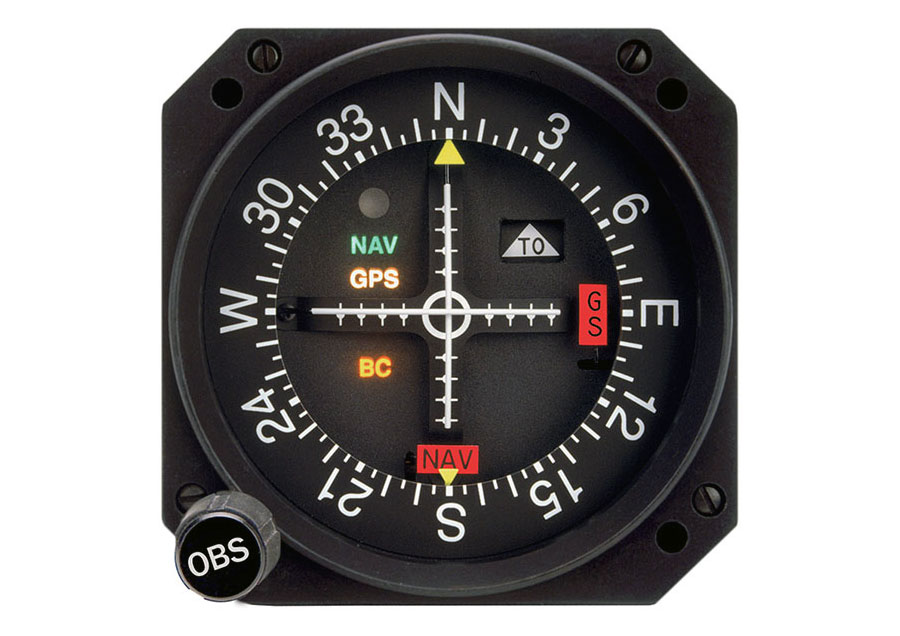
Course deviation indicator MD200306
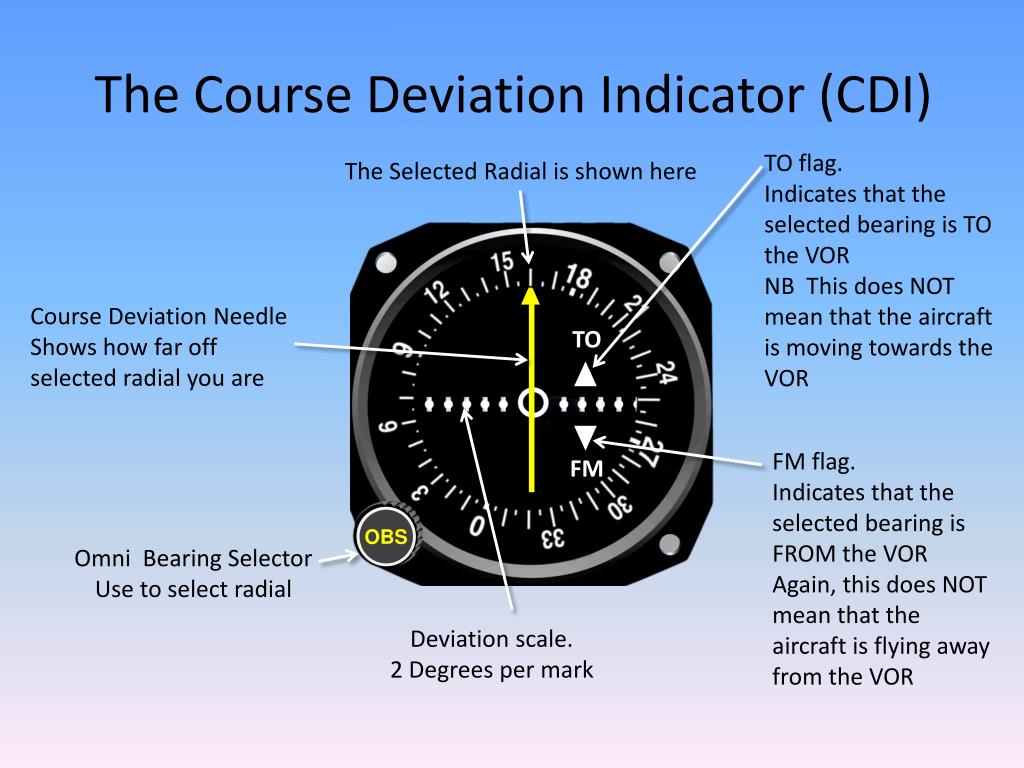
PPT VOR Navigation PowerPoint Presentation, free download ID6729762

MD200 Course Deviation Indicator PN MD200707
It Does Not Affect Settings Of Cdi At All, Because Ils Does Not Take The Obs Course Into Account.
The Heading Indicator Of The Hsi Is A Remote Indicating Compass That Gets Its Information From A Remote Slaving Transmitter.
Getting The Needle Inside The Outside Dot Means You've Captured The Signal.
How Does A Front Course And A Back Course Affect Your Cdi Settings?
Related Post: