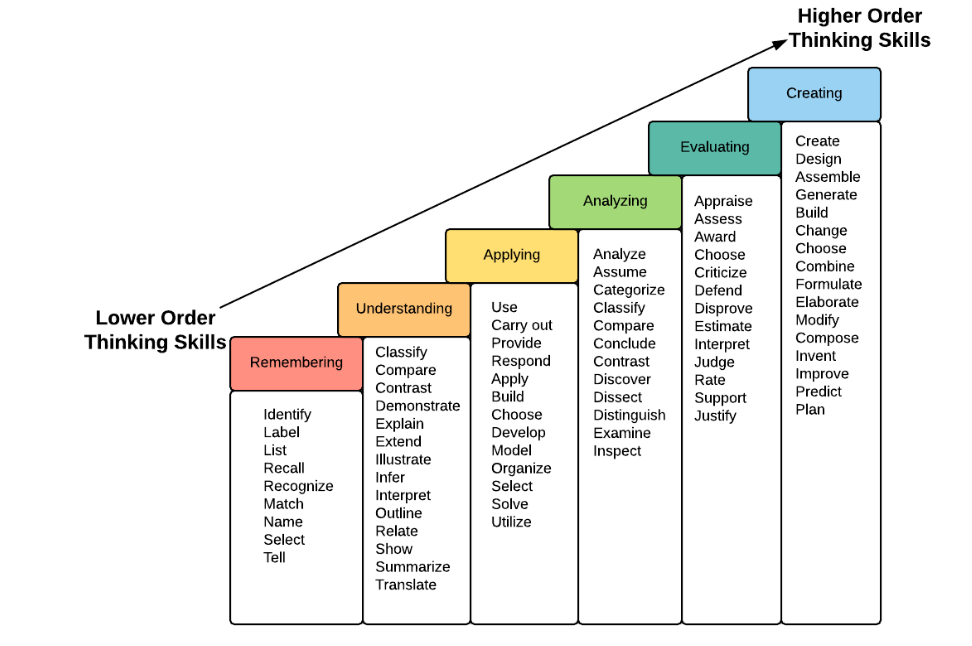
Course Objective Examples
Course Objective Examples - Learning objectives are tools teachers and instructors use to inform their lessons and assignments and set expectations for learners. Upon completion of this course, students will be able to: Learning objectives/outcomes are specific statements that tell the student what they will be able to do at the conclusion of a learning experience. What does a course objective look like? Clearly define what the learner will achieve. They help you select appropriate content, materials, instructional. Learning objectives are guides to the instructional decisions you make when designing and teaching your course. Each objective should have the following components: If you don’t know where to start, we’ve listed some course objectives examples you can include in your training plan. To create impactful learning objectives, use the smart framework: Understanding how to craft useful. If you don’t know where to start, we’ve listed some course objectives examples you can include in your training plan. What does a course objective look like? For a course to meet the quality matters standards, it must have learning objectives that are measurable and the assessments must align with the learning objectives. Learning objectives/outcomes are specific statements that tell the student what they will be able to do at the conclusion of a learning experience. They help you select appropriate content, materials, instructional. A course objective specifies a behavior, skill, or action that a student can demonstrate if they have achieved mastery of the objective. Here are examples of a good terminal learning objectives: Establish criteria to track progress. Writing clear course objectives help define specific competencies and outcomes that will allow students to achieve a specific set of skills, knowledge, attitudes or values. Carolina core courses must use the approved learning outcomes without modification, even if they are unclear or not measurable. To create impactful learning objectives, use the smart framework: Learning objectives are tools teachers and instructors use to inform their lessons and assignments and set expectations for learners. Establish criteria to track progress. I'll describe how creating detailed course objectives, and. Here’s an example of a course outline that states clearly who the target audience of the course is: Here are examples of a good terminal learning objectives: Learning objectives, or behavioral objectives, are written from a student’s point of view and describe what the student will be able to do as a result of taking the course. If the outcomes. Writing clear course objectives help define specific competencies and outcomes that will allow students to achieve a specific set of skills, knowledge, attitudes or values. Upon completion of this course, students will be able to: The students will determine the developmental needs of children across all domains. If you don’t know where to start, we’ve listed some course objectives examples. For a course to meet the quality matters standards, it must have learning objectives that are measurable and the assessments must align with the learning objectives. Learning objectives, or behavioral objectives, are written from a student’s point of view and describe what the student will be able to do as a result of taking the course. Here’s an example of. They help you select appropriate content, materials, instructional. I'll describe how creating detailed course objectives, and communicating them clearly to your students, can help the instructor, enhance student learning, and aid in the. Carolina core courses must use the approved learning outcomes without modification, even if they are unclear or not measurable. If you don’t know where to start, we’ve. They help you select appropriate content, materials, instructional. Carolina core courses must use the approved learning outcomes without modification, even if they are unclear or not measurable. To create impactful learning objectives, use the smart framework: Learning objectives are tools teachers and instructors use to inform their lessons and assignments and set expectations for learners. Establish criteria to track progress. If you don’t know where to start, we’ve listed some course objectives examples you can include in your training plan. Clearly define what the learner will achieve. Each objective should have the following components: Learning objectives are guides to the instructional decisions you make when designing and teaching your course. Upon completion of this course, students will be able to: Carolina core courses must use the approved learning outcomes without modification, even if they are unclear or not measurable. What does a course objective look like? Course objectives form the foundation of the class. Here are examples of a good terminal learning objectives: As such, objectives need to be written in such a way that they are measurable by some. Learning objectives/outcomes are specific statements that tell the student what they will be able to do at the conclusion of a learning experience. A course objective specifies a behavior, skill, or action that a student can demonstrate if they have achieved mastery of the objective. What does a course objective look like? As such, objectives need to be written in. If the outcomes for your course are not measurable, you. Understanding how to craft useful. Learning objectives are tools teachers and instructors use to inform their lessons and assignments and set expectations for learners. Each objective should have the following components: Here are examples of a good terminal learning objectives: Understanding how to craft useful. As such, objectives need to be written in such a way that they are measurable by some sort of assessment. Clearly define what the learner will achieve. Learning objectives are guides to the instructional decisions you make when designing and teaching your course. If you don’t know where to start, we’ve listed some course objectives examples you can include in your training plan. They help you select appropriate content, materials, instructional. I'll describe how creating detailed course objectives, and communicating them clearly to your students, can help the instructor, enhance student learning, and aid in the. Course objectives form the foundation of the class. Upon completion of this course, students will be able to: What does a course objective look like? Here are examples of a good terminal learning objectives: To create impactful learning objectives, use the smart framework: If the outcomes for your course are not measurable, you. Learning objectives, or behavioral objectives, are written from a student’s point of view and describe what the student will be able to do as a result of taking the course. The students will determine the developmental needs of children across all domains. Here’s an example of a course outline that states clearly who the target audience of the course is: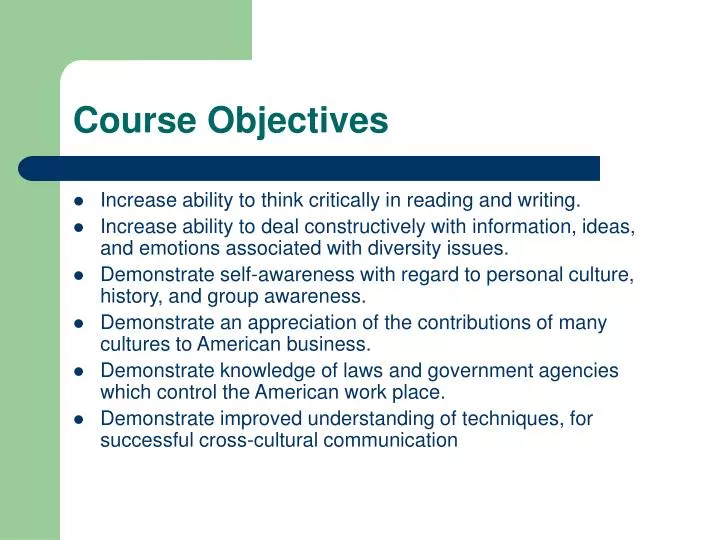
PPT Course Objectives PowerPoint Presentation, free download ID869480
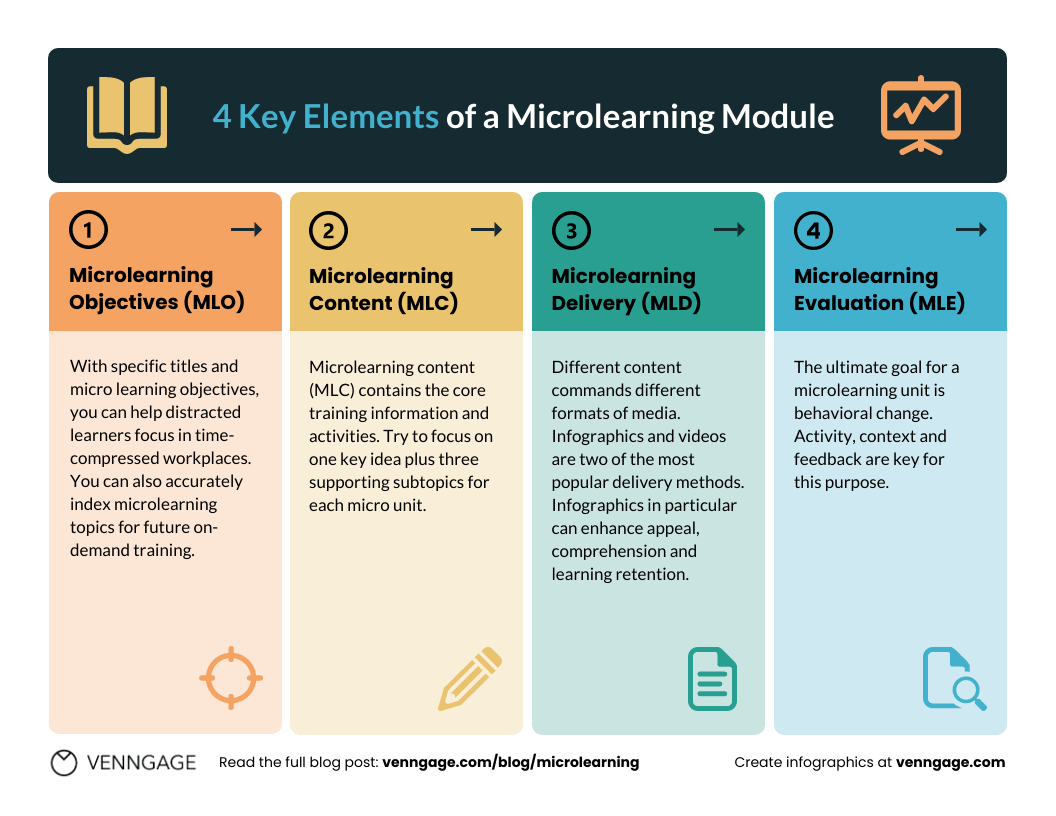
Learning Objective Examples for Better Training Venngage
Writing Measurable Course Objectives The Center for Teaching and

Learning Objective Examples for Better Training Venngage
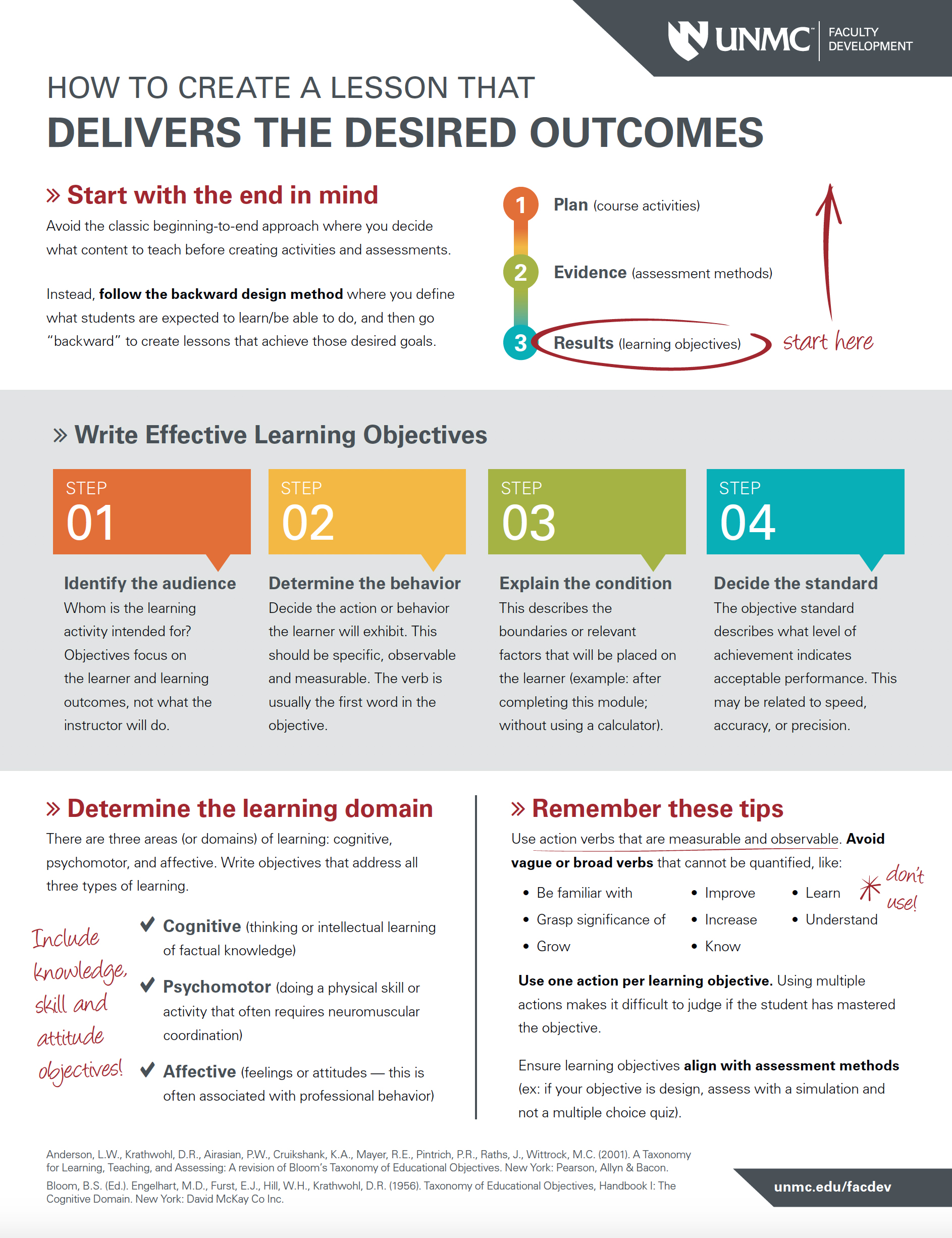
Infographic Creating a Lesson that Delivers the Desired
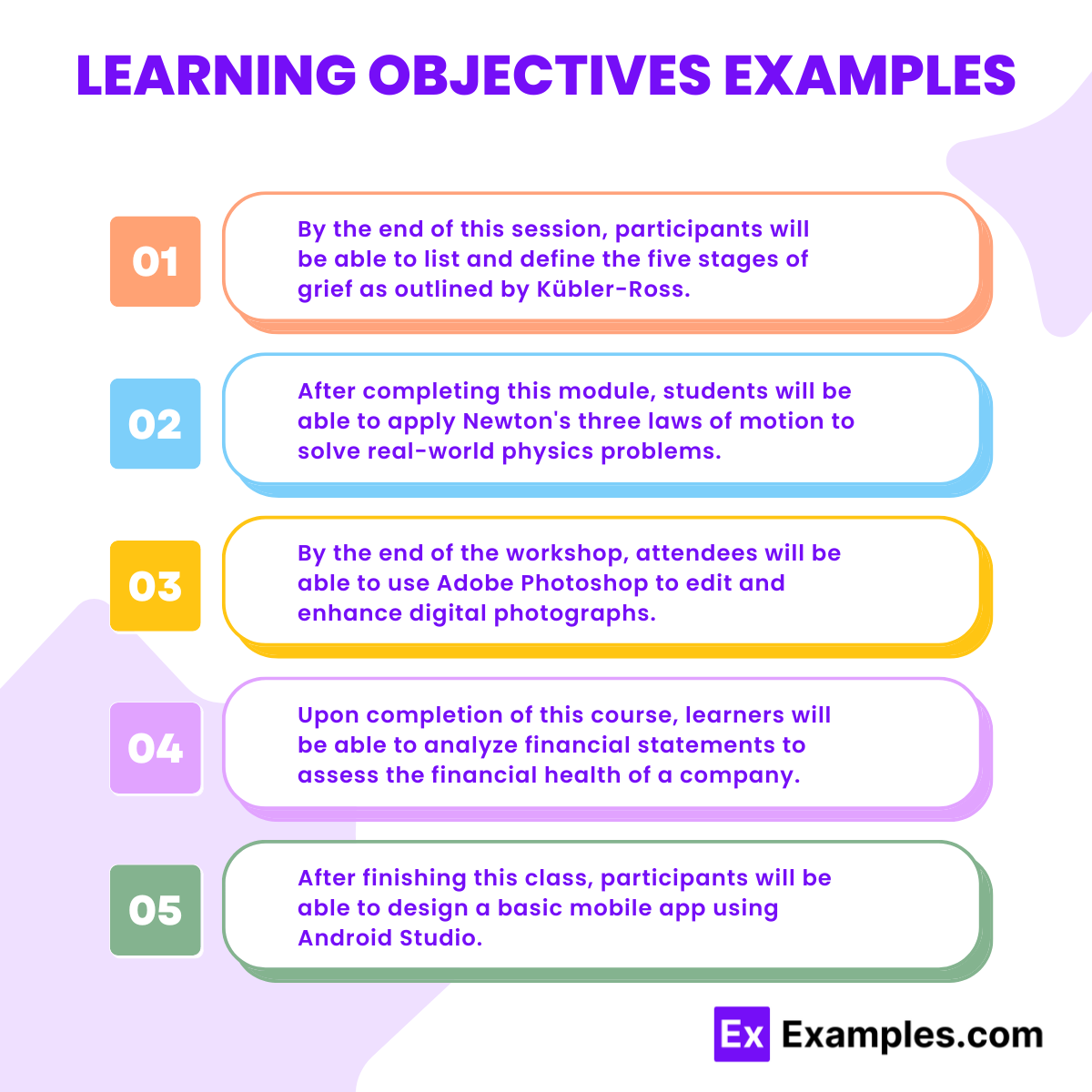
40+ Learning Objectives Examples

Learning Objective Examples for Better Training Venngage

Learning Objective Examples for Better Training Venngage
10 Course Objectives Examples EdApp The Mobile LMS

Learning Objective Examples for Better Training Venngage
Learning Objectives/Outcomes Are Specific Statements That Tell The Student What They Will Be Able To Do At The Conclusion Of A Learning Experience.
For A Course To Meet The Quality Matters Standards, It Must Have Learning Objectives That Are Measurable And The Assessments Must Align With The Learning Objectives.
A Course Objective Specifies A Behavior, Skill, Or Action That A Student Can Demonstrate If They Have Achieved Mastery Of The Objective.
Learning Objectives Are Tools Teachers And Instructors Use To Inform Their Lessons And Assignments And Set Expectations For Learners.
Related Post: