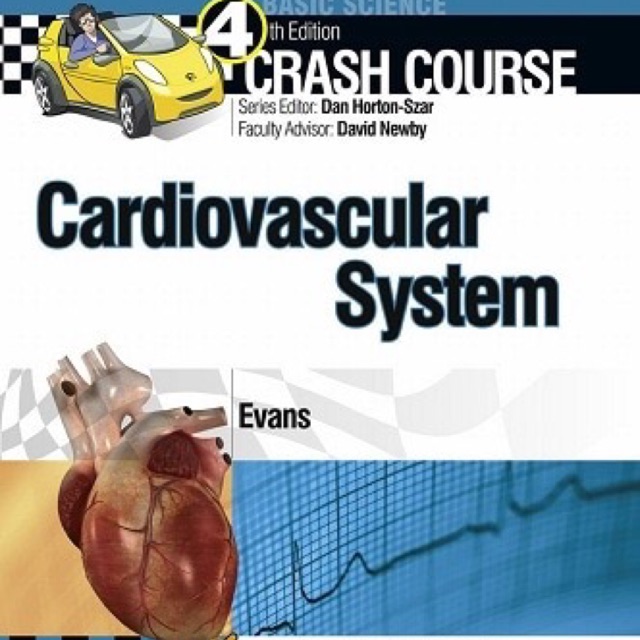
Crash Course Cardiovascular System
Crash Course Cardiovascular System - This highly accessible guide to the cardiovascular system highlights all the essential information to provide an invaluable foundation for application to clinical practice in this most fundamental of medical specialties. Completely revised throughout, the new edition of crash course is perfectly tailored to meet your needs by providing everything you need to know in one place. It consists of the heart, blood, and blood vessels. In this episode of crash course biology, hank green takes us on a trip around the body. This highly accessible guide to the cardiovascular system highlights all the essential information to provide an invaluable foundation for application to clinical practice in this most. This highly accessible guide to the cardiovascular system highlights all the essential information to provide an invaluable foundation for application to clinical practice in this most. Save time and be assured you have all the core information you need in one place to excel on your course and achieve exam success. The organ that powers the entire circulatory system, pumping blood throughout the body and transports nutrients, oxygen, waste, heat, hormones, and immune cells The heart’s ventricles, atria, and valves create a pump that maintains both high and low pressure to circulate blood from the heart to the body through your arteries, and bring it back to the heart through your veins. The mcqs, emqs and saqs at the end cover the two parts evenly. Comprehensive yet concise, it is more than just an exam crammer. Save time and be assured you have all the core information you need in one place to excel on your course and achieve exam success. The third edition of crash course: Circulatory system (aka cardiovascular system) this system works as the transportation highway for the body. The mcqs, emqs and saqs at the end cover the two parts evenly. Your heart gets a lot of. This highly accessible guide to the cardiovascular system highlights all the essential information to provide an invaluable foundation for application to clinical practice in this most. We'll follow the circulatory and respiratory systems as they deliver oxygen and remove carbon dioxide from cells, and help make it possible for our bodies to function. Clearly presented in a tried and. This highly accessible guide to the cardiovascular system highlights all the essential information to provide an invaluable foundation for application to clinical practice in this most fundamental of medical specialties. The third edition of crash course: Completely revised throughout, the new edition of crash course is perfectly tailored to meet your needs by providing everything you need to know in one place. But what about the heart, the blood vessels, and the lymphatic system? The highlight of the book is the chapter on common presentations of cardiovascular disease. Building on. The mcqs, emqs and saqs at the end cover the two parts evenly. The organ that powers the entire circulatory system, pumping blood throughout the body and transports nutrients, oxygen, waste, heat, hormones, and immune cells It consists of the heart, blood, and blood vessels. Share your videos with friends, family, and the world The third edition of crash course: The highlight of the book is the chapter on common presentations of cardiovascular disease. This highly accessible guide to the cardiovascular system highlights all the essential information to provide an invaluable foundation for application to clinical practice in this most. The heart’s ventricles, atria, and valves create a pump that maintains both high and low pressure to circulate blood from. Circulatory system (aka cardiovascular system) this system works as the transportation highway for the body. The mcqs, emqs and saqs at the end cover the two parts evenly. Your heart gets a lot of. Save time and be assured you have all the core information you need in one place to excel on your course and achieve exam success. This. This highly accessible guide to the cardiovascular system highlights all the essential information to provide an invaluable foundation for application to clinical practice in this most. Clearly presented in a tried and. The heart’s ventricles, atria, and valves create a pump that maintains both high and low pressure to circulate blood from the heart to the body through your arteries,. In this episode of crash course biology, hank green takes us on a trip around the body. The heart’s ventricles, atria, and valves create a pump that maintains both high and low pressure to circulate blood from the heart to the body through your arterie.more. This highly accessible guide to the cardiovascular system highlights all the essential information to provide. This highly accessible guide to the cardiovascular system highlights all the essential information to provide an invaluable foundation for application to clinical practice in this most. We'll follow the circulatory and respiratory systems as they deliver oxygen and remove carbon dioxide from cells, and help make it possible for our bodies to function. This highly accessible guide to the cardiovascular. Clearly presented in a tried and. The third edition of crash course: Completely revised throughout, the new edition of crash course is perfectly tailored to meet your needs by providing everything you need to know in one place. The highlight of the book is the chapter on common presentations of cardiovascular disease. This highly accessible guide to the cardiovascular system. In this episode of crash course biology, hank green takes us on a trip around the body. Hank explains how your heart’s pacemaker cells use leaky membranes to generate their own action potentials, and how the resulting electricity travels through the cardiac conduction pathway from. The highlight of the book is the chapter on common presentations of cardiovascular disease. It. In addition to lists of diagnoses by system and features of common complaints, there is a diagnostic algorithmic for central chest pain. The highlight of the book is the chapter on common presentations of cardiovascular disease. You’ll also learn what your blood pressure measurements mean when we talk about systolic and diastolic blood pressure. The heart’s ventricles, atria, and valves. Save time and be assured you have all the core information you need in one place to excel on your course and achieve exam success. In this episode of crash course biology, we’ll tour the cardiovascular, lymphatic, and musculoskeletal systems, learning how all of them keep a vertebrate’s inner workings connected, powered up, and ready to… read more Building on the success of previous editions, the new crash courses retain the popular and unique features that so characterised the earlier volumes. We'll follow the circulatory and respiratory systems as they deliver oxygen and remove carbon dioxide from cells, and help make it possible for our bodies to function. Comprehensive yet concise, it is more than just an exam crammer. This highly accessible guide to the cardiovascular system highlights all the essential information to provide an invaluable foundation for application to clinical practice in this most fundamental of medical specialties. The heart’s ventricles, atria, and valves create a pump that maintains both high and low pressure to circulate blood from the heart to the body through your arterie.more. This highly accessible guide to the cardiovascular system highlights all the essential information to provide an invaluable foundation for application to clinical practice in this most. The highlight of the book is the chapter on common presentations of cardiovascular disease. This highly accessible guide to the cardiovascular system highlights all the essential information to provide an invaluable foundation for application to clinical practice in this most fundamental of medical specialties. Hank explains how your heart’s pacemaker cells use leaky membranes to generate their own action potentials, and how the resulting electricity travels through the cardiac conduction pathway from. The organ that powers the entire circulatory system, pumping blood throughout the body and transports nutrients, oxygen, waste, heat, hormones, and immune cells In this episode of crash course biology, hank green takes us on a trip around the body. The heart’s ventricles, atria, and valves create a pump that maintains both high and low pressure to circulate blood from the heart to the body through your arteries, and bring it back to the heart through your veins. But what about the heart, the blood vessels, and the lymphatic system? A winning formula now for over 15 years, each series volume has been fine tuned and fully updated, with an improved layout tailored to.
Crash Course Cardiovascular System Updated Print + EBook Edition by

The Heart, Part 1 Under Pressure Crash Course Anatomy & Physiology
Jual Buku Kedokteran Crash Course Cardiovascular System Shopee Indonesia
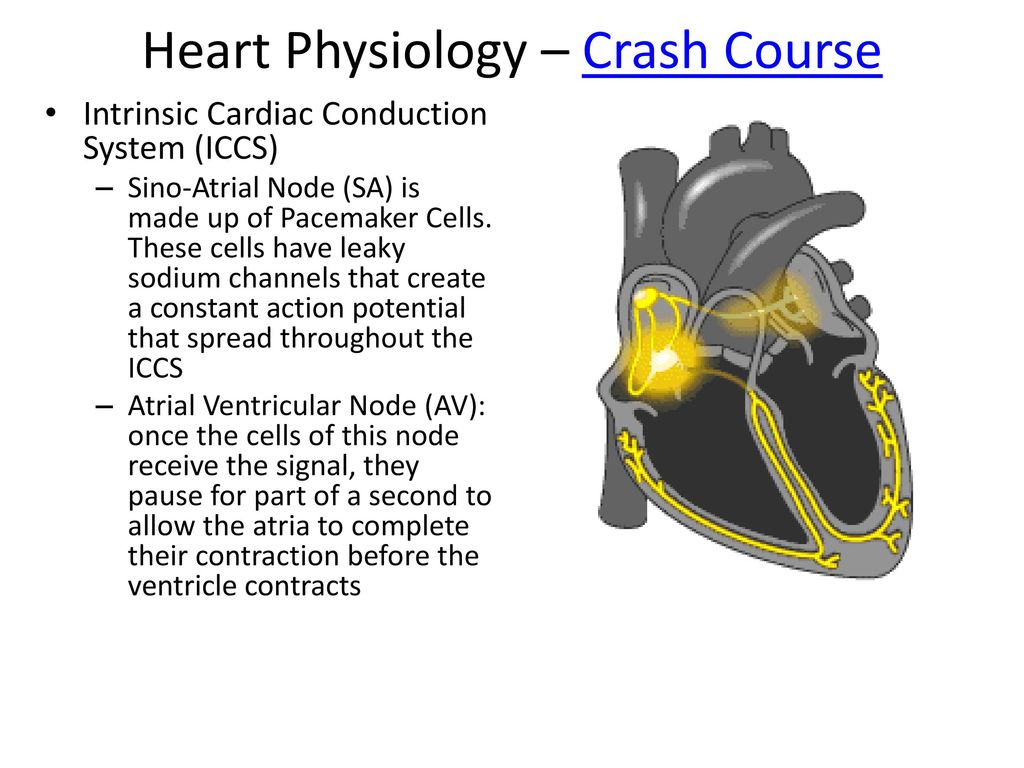
The Cardiovascular System ppt download
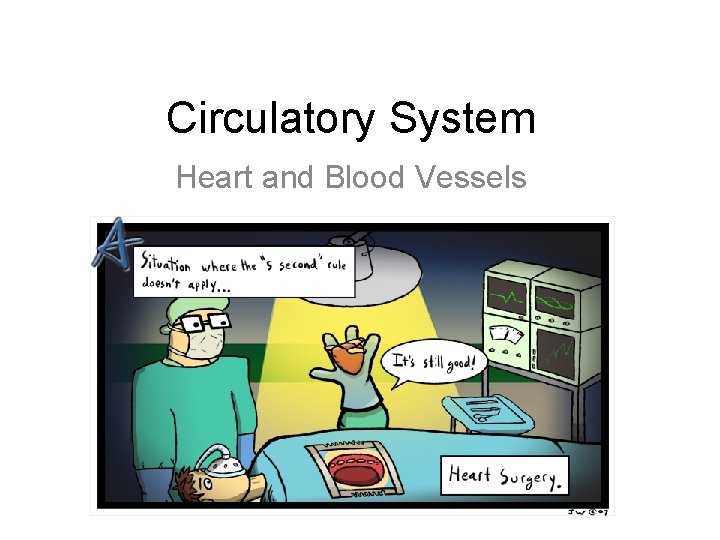
Circulatory System Heart and Blood Vessels Crash Course

Crash Course Cardiovascular System Updated Print 4th edition

SOLUTION 2012 crash course cardiovascular system Studypool
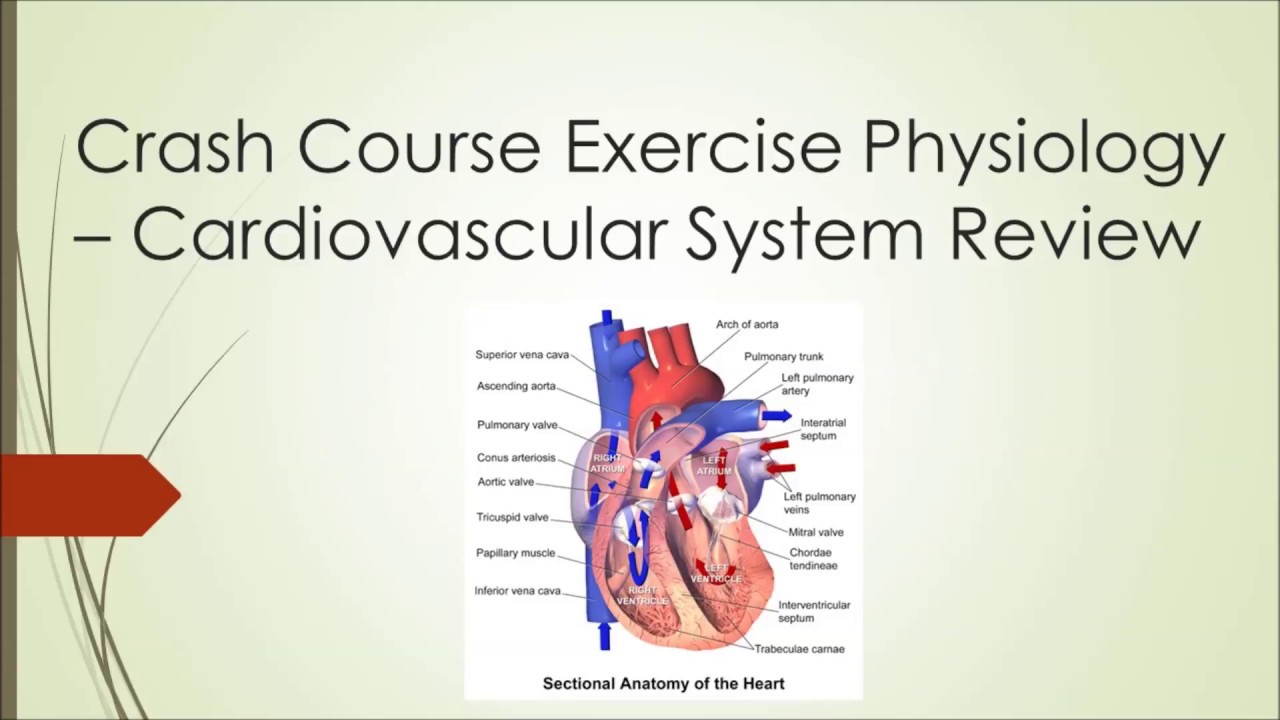
Exercise Physiology Crash Course Episode 2 Cardiovascular Review
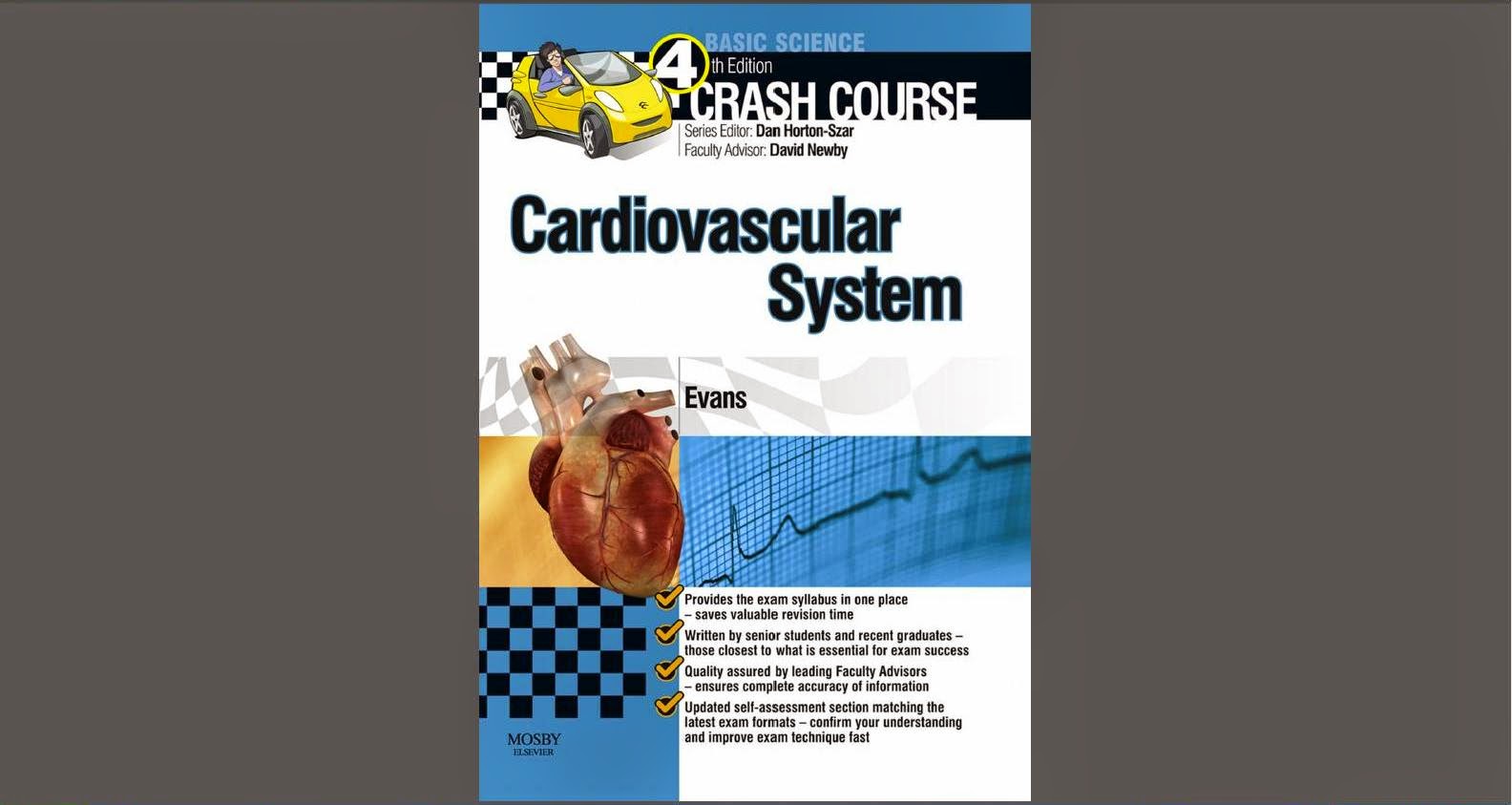
4th Edition CRASH COURSE Cardiovascular System Homoeopathy

SOLUTION Crash course cardiovascular system cardiovascular system
Clearly Presented In A Tried And.
Share Your Videos With Friends, Family, And The World
The Third Edition Of Crash Course:
This Highly Accessible Guide To The Cardiovascular System Highlights All The Essential Information To Provide An Invaluable Foundation For Application To Clinical Practice In This Most Fundamental Of Medical Specialties.
Related Post: