
Holder In Due Course Doctrine
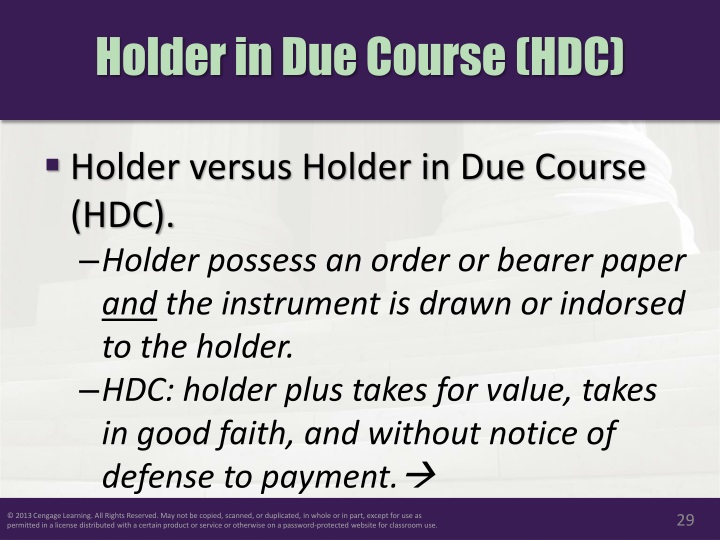
Holder In Due Course Doctrine - The holder in due course doctrine as a default rule. The holder in due course rule can sometimes have highly inequitable effects on consumers. A “holder in due course” is someone who gets a special status when they receive a negotiable. Introduction the “holde r in due course” doctrine, as implemented by article 3 of the. Under ucc article 3, a holder in due course is someone who acquires a negotiable instrument in good faith, for value, and without notice of any defects or claims. Under this doctrine, the obligation to pay. According to section 9 of the negotiable instruments act, a holder in due course is someone who has obtained the instrument for value, in good faith, and without any notice of. The holder in due course (hdc) doctrine is a rule in commercial law that protects a purchaser of debt, where the purchaser is assigned the right to receive the debt payments. Know what the requirements are for being a holder in due course. According to the ucc, a “holder” of a negotiable instrument is “a person who is in possession of an instrument drawn, issued or endorsed to him or to his order or to bearer or in blank.” Payee may become a holder in due course if she satisfies all of the requirements. A “holder in due course” is someone who gets a special status when they receive a negotiable. The holder in due course rule can sometimes have highly inequitable effects on consumers. The holder in due course (hdc) doctrine is a rule in commercial law that protects a purchaser of debt, where the purchaser is assigned the right to receive the debt payments. The holder in due course doctrine, as implemented by article 3 of the uniform commercial code, says that a party who acquires a negotiable instrument in good faith, for. According to section 9 of the negotiable instruments act, a holder in due course is someone who has obtained the instrument for value, in good faith, and without any notice of. What a holder in due course is, and why that status is critical to commercial paper; The holder in due course doctrine, as implemented by article 3 of the uniform commercial code, says that a party who acquires a negotiable instrument in good faith, for. The rule is particularly problematic in the consumer debt context where a business offers to finance a consumer purchase by accepting a promissory note signed by a consumer for part or all of the balance in lieu of tender of the full cash price, then sells the note to a bank (technically, by selling an assignment of its rights in the note) in order to immediately record a profit. The preservation of consumers’ claims and defenses [holder in due course rule], formally known as the trade regulation rule concerning preservation of consumers' claims and. A “holder in due course” is someone who gets a special status when they receive a negotiable. The preservation of consumers’ claims and defenses [holder in due course rule], formally known as the trade regulation rule concerning preservation of consumers' claims and. Under ucc article 3, a holder in due course is someone who acquires a negotiable instrument in good. The rule is particularly problematic in the consumer debt context where a business offers to finance a consumer purchase by accepting a promissory note signed by a consumer for part or all of the balance in lieu of tender of the full cash price, then sells the note to a bank (technically, by selling an assignment of its rights in. According to the ucc, a “holder” of a negotiable instrument is “a person who is in possession of an instrument drawn, issued or endorsed to him or to his order or to bearer or in blank.” The holder in due course doctrine, as implemented by article 3 of the uniform commercial code, says that a party who acquires a negotiable. It explains that under this doctrine, a holder in due course takes a negotiable instrument like a check or promissory note free from certain claims and defenses. The holder in due course (hdc) doctrine is designed to protect holders from culpability in situations where they performed no wrongdoing, but might be affected by another. It discusses how the doctrine. (1). It discusses how the doctrine. Understand why the concept of holder in due course is important in commercial transactions. (1) the instrument when issued or negotiated to the holder does not bear such. According to the ucc, a “holder” of a negotiable instrument is “a person who is in possession of an instrument drawn, issued or endorsed to him or. A “holder in due course” is someone who gets a special status when they receive a negotiable. It explains that under this doctrine, a holder in due course takes a negotiable instrument like a check or promissory note free from certain claims and defenses. The rule is particularly problematic in the consumer debt context where a business offers to finance. A “holder in due course” is someone who gets a special status when they receive a negotiable. Nevertheless, the holder in due course doctrine will not provide a payee with the benefits of a holder in due. (1) the instrument when issued or negotiated to the holder does not bear such. According to section 9 of the negotiable instruments act,. Nevertheless, the holder in due course doctrine will not provide a payee with the benefits of a holder in due. The holder in due course doctrine, as implemented by article 3 of the uniform commercial code, says that a party who acquires a negotiable instrument in good faith, for. The holder in due course doctrine, as implemented by article 3. Know what the requirements are for being a holder in due course. Under this doctrine, the obligation to pay. The preservation of consumers’ claims and defenses [holder in due course rule], formally known as the trade regulation rule concerning preservation of consumers' claims and. A “holder in due course” is someone who gets a special status when they receive a. Under ucc article 3, a holder in due course is someone who acquires a negotiable instrument in good faith, for value, and without notice of any defects or claims. Under this doctrine, the obligation to pay. A “holder in due course” is someone who gets a special status when they receive a negotiable. It explains that under this doctrine, a. It discusses how the doctrine. Payee may become a holder in due course if she satisfies all of the requirements. The negotiable instrument act provides various rights to holder in due course. The holder in due course doctrine as a default rule. The holder in due course (hdc) doctrine is designed to protect holders from culpability in situations where they performed no wrongdoing, but might be affected by another. The holder in due course (hdc) doctrine is a rule in commercial law that protects a purchaser of debt, where the purchaser is assigned the right to receive the debt payments. What defenses are good against a holder in due course; The holder in due course doctrine, as implemented by article 3 of the uniform commercial code, says that a party who acquires a negotiable instrument in good faith, for. The rule is particularly problematic in the consumer debt context where a business offers to finance a consumer purchase by accepting a promissory note signed by a consumer for part or all of the balance in lieu of tender of the full cash price, then sells the note to a bank (technically, by selling an assignment of its rights in the note) in order to immediately record a profit. Introduction the “holde r in due course” doctrine, as implemented by article 3 of the. The holder in due course rule can sometimes have highly inequitable effects on consumers. According to section 9 of the negotiable instruments act, a holder in due course is someone who has obtained the instrument for value, in good faith, and without any notice of. The preservation of consumers’ claims and defenses [holder in due course rule], formally known as the trade regulation rule concerning preservation of consumers' claims and. A “holder in due course” is someone who gets a special status when they receive a negotiable. Understand why the concept of holder in due course is important in commercial transactions. The holder in due course doctrine, as implemented by article 3 of the uniform commercial code, says that a party who acquires a negotiable instrument in good faith, for.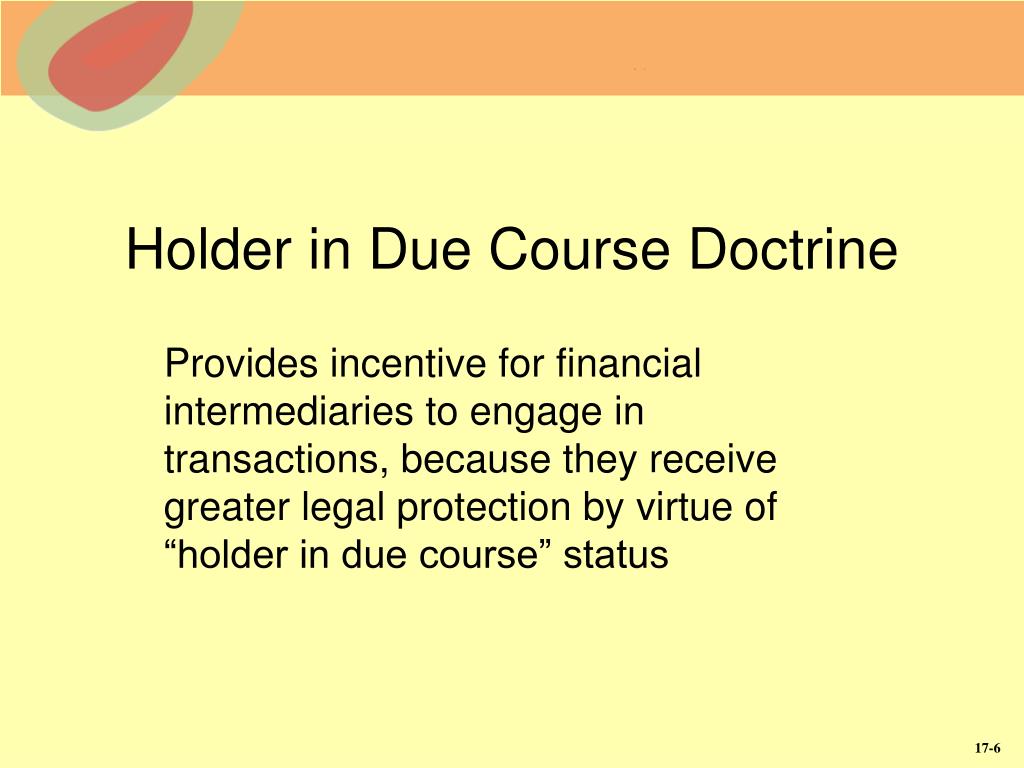
PPT Chapter 17 PowerPoint Presentation, free download ID6454067
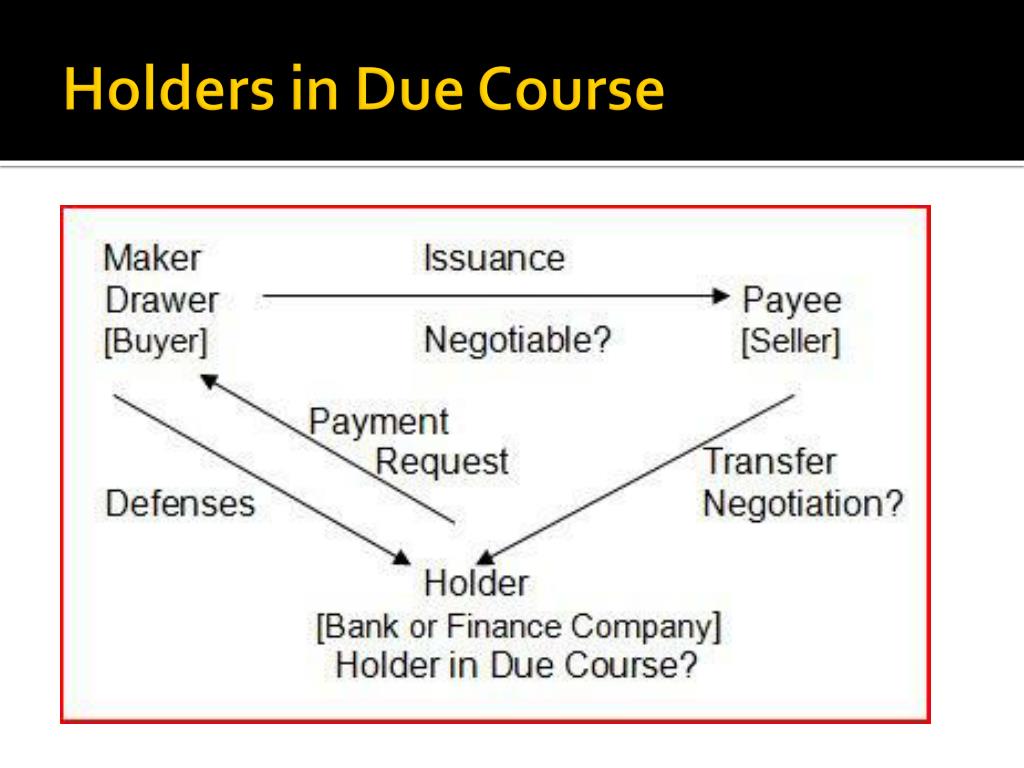
Holder In Due Course Section 9 at Debi Combs blog
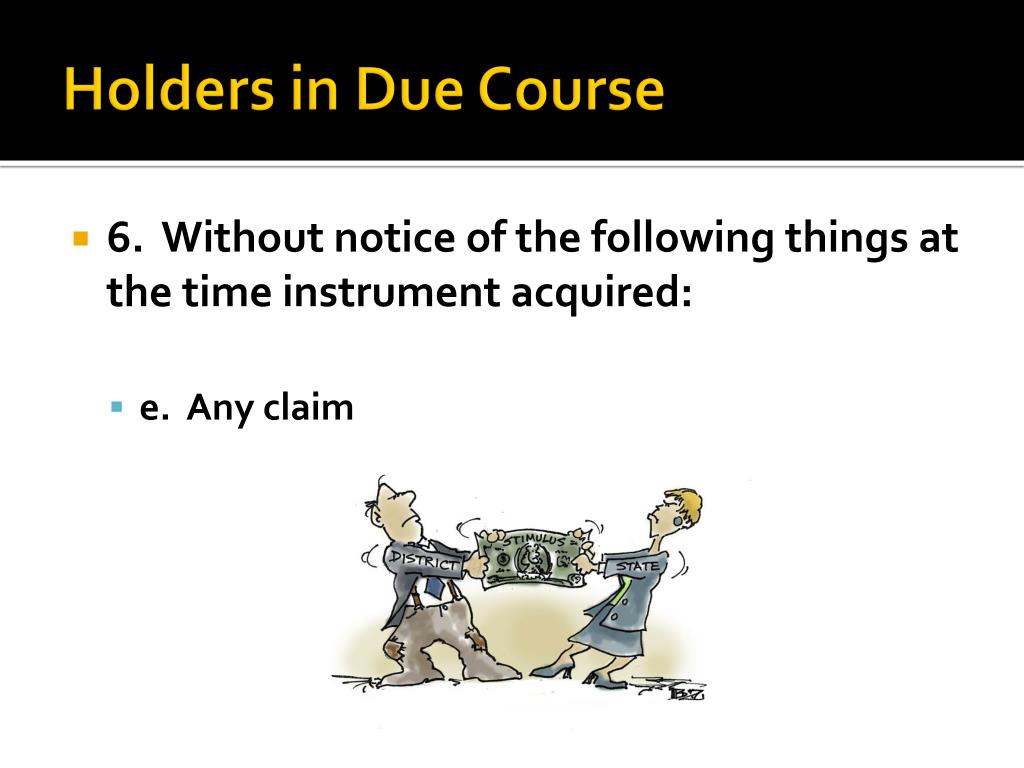
PPT Holders in Due Course PowerPoint Presentation, free download ID
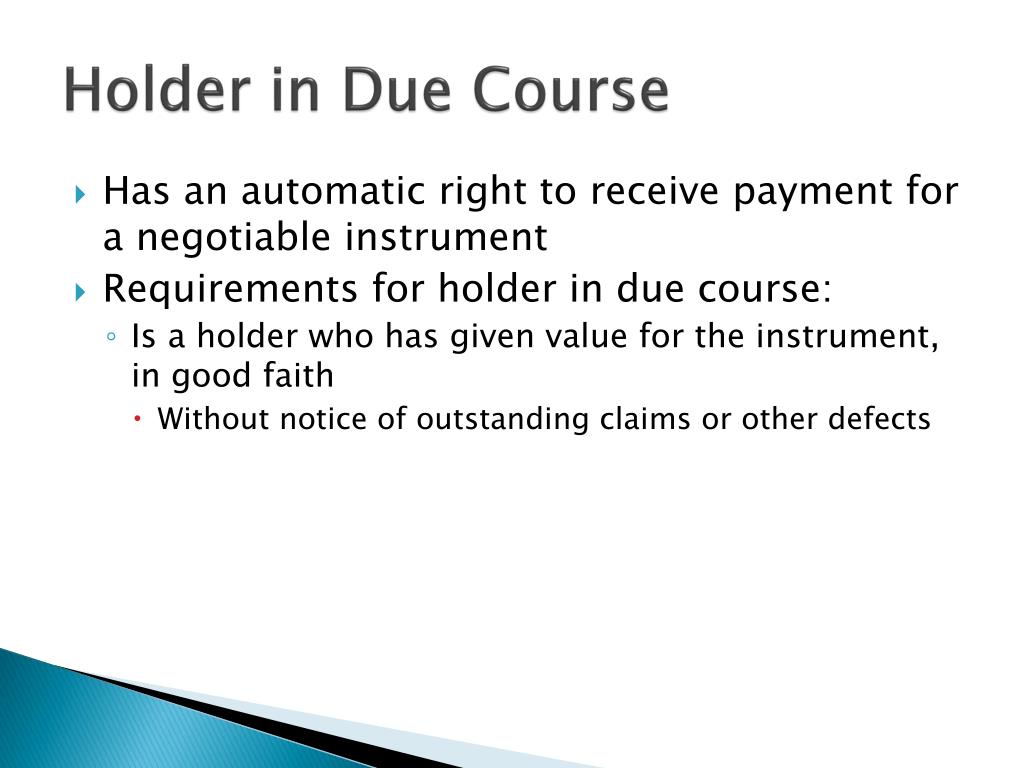
PPT Chapter 14 PowerPoint Presentation, free download ID7043922
PPT CHAPTER 36 HOLDERS IN DUE COURSE AND DEFENSES PowerPoint
.jpg)
TRANSFERABILITY AND HOLDER IN DUE COURSE ppt download

TRANSFERABILITY AND HOLDER IN DUE COURSE ppt download
PPT Chapter 16 Negotiability, Transferability, and Liability
Holder in Due Course and Defenses

Holder in Due Course
Under Ucc Article 3, A Holder In Due Course Is Someone Who Acquires A Negotiable Instrument In Good Faith, For Value, And Without Notice Of Any Defects Or Claims.
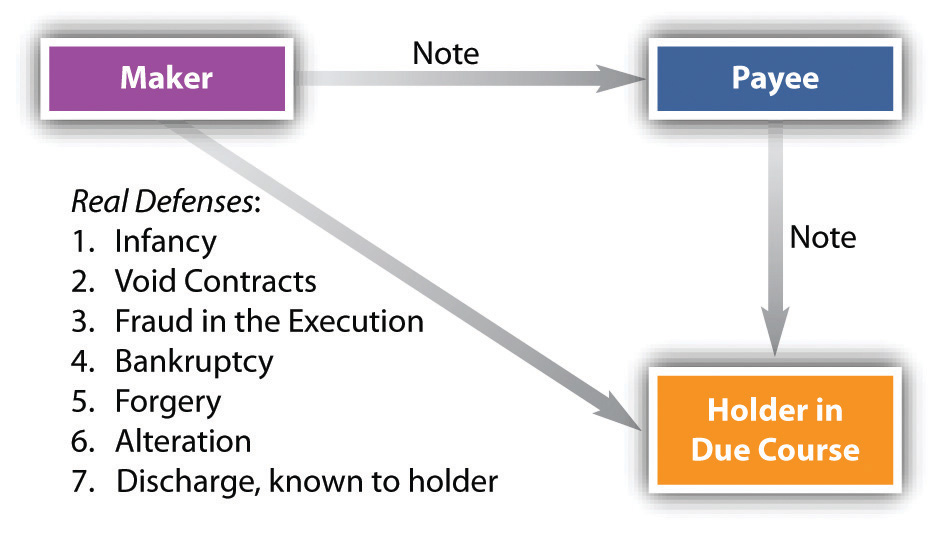
What A Holder In Due Course Is, And Why That Status Is Critical To Commercial Paper;
It Explains That Under This Doctrine, A Holder In Due Course Takes A Negotiable Instrument Like A Check Or Promissory Note Free From Certain Claims And Defenses.
According To The Ucc, A “Holder” Of A Negotiable Instrument Is “A Person Who Is In Possession Of An Instrument Drawn, Issued Or Endorsed To Him Or To His Order Or To Bearer Or In Blank.”
Related Post: