
Kimchi Course
Kimchi Course - Learn how to confidently create your own sauerkraut, kimchi or curtido! Learn how to make easy and authentic kimchi with napa cabbage, a flavorful and spicy fermented dish that's perfect for beginners! Over the course of “the kimchi master course”, we have learned the concepts of kimchi making and fermentation. Korean amazing cucumber kimchi recipe! It’s the kimchi jjigae — or kimchi stew. We will get you going, make sure you are staying safe, and support your exploration! Kimchi is typically served as a side dish with korean meals, often enjoyed with rice, soups, and stews. What is fermentation & why should you eat kimchi? Discover the secrets of this korean staple, from selecting the freshest ingredients to mastering the fermentation process. Kimchi is a traditional korean dish made from fermented vegetables, usually napa cabbage and korean radish, combined with seasonings like garlic, ginger, chili flakes (gochugaru), and sometimes fish sauce. Make room for the eggs. What is fermentation & why should you eat kimchi? Deeply fermented kimchi, generously cut pork belly, and a broth that’s both clear and full of depth — this stew doesn’t just conclude the meal; Join us for a unique korean cooking class experience and learn to make organic kimchi free from added sugar. Come join us in this fun kimchi making class and taste test with a warm bowl of rice. It's just a few ingredients and made very quickly, but it's a dish much loved by koreans and a part of our everyday. We will get you going, make sure you are staying safe, and support your exploration! He writes and shares recipes, videos. Here are some tips to help you get the most out of the kimchi master course. Kimchi is a traditional korean dish made from fermented vegetables, usually napa cabbage and korean radish, combined with seasonings like garlic, ginger, chili flakes (gochugaru), and sometimes fish sauce. Kimchi is a traditional korean dish made from fermented vegetables, usually napa cabbage and korean radish, combined with seasonings like garlic, ginger, chili flakes (gochugaru), and sometimes fish sauce. Learn how to confidently create your own sauerkraut, kimchi or curtido! We will get you going, make sure you are staying safe, and support your exploration! Immerse yourself in the flavorful. Make room for the eggs. Each participant will make a jar classic kimchi with napa cabbage to take home. He writes and shares recipes, videos. Discover the secrets of this korean staple, from selecting the freshest ingredients to mastering the fermentation process. What is fermentation & why should you eat kimchi? It has a tangy, spicy, and umami flavor. Here are some tips to help you get the most out of the kimchi master course. Visit local market where you experience korean food culture through your own eyes. Korean amazing cucumber kimchi recipe! Kimchi is a traditional korean dish made from fermented vegetables, usually napa cabbage and korean radish, combined with. Kimchi is a traditional korean dish made from fermented vegetables, usually napa cabbage and korean radish, combined with seasonings like garlic, ginger, chili flakes (gochugaru), and sometimes fish sauce. Watch the video lessons in order. Stir in gochujang and soy sauce. He writes and shares recipes, videos. Chapters 1 and 2 cover the core principals of kimchi making and fermentation. Adding the starch mixture will make the fermentation process go a little faster than the white kimchi without the starch mixture. Discover the secrets of this korean staple, from selecting the freshest ingredients to mastering the fermentation process. Immerse yourself in the flavorful world of kimchi, a staple of korean cuisine. He writes and shares recipes, videos. Korean amazing cucumber. It has a tangy, spicy, and umami flavor. Adding the starch mixture will make the fermentation process go a little faster than the white kimchi without the starch mixture. Watch the video lessons in order. Learn how to make easy and authentic kimchi with napa cabbage, a flavorful and spicy fermented dish that's perfect for beginners! This white kimchi recipe. It’s the kimchi jjigae — or kimchi stew. This white kimchi recipe is delicious with and without a starch mixture. Stir in gochujang and soy sauce. He writes and shares recipes, videos. This simple, simple stir fried dish of rice and kimchi is super, super tasty. The kimchi master course is created to be viewed in chronological order. Deeply fermented kimchi, generously cut pork belly, and a broth that’s both clear and full of depth — this stew doesn’t just conclude the meal; He writes and shares recipes, videos. Chapters 1 and 2 cover the core principals of kimchi making and fermentation. Come join us in. It's just a few ingredients and made very quickly, but it's a dish much loved by koreans and a part of our everyday. Why should you make your own kimchi? We’ll explore this traditional korean staple's history and cultural significance, delving into the nuances. Over the course of “the kimchi master course”, we have learned the concepts of kimchi making. What is fermentation & why should you eat kimchi? Why should you make your own kimchi? Learn how to make killer kimchi at home… from your home! Traditionally, kimchi consists of napa cabbage, garlic, ginger, gochugaru (red pepper flakes), salt, and scallions. This white kimchi recipe is delicious with and without a starch mixture. Come join us in this fun kimchi making class and taste test with a warm bowl of rice. Kimchi is typically served as a side dish with korean meals, often enjoyed with rice, soups, and stews. It’s the kimchi jjigae — or kimchi stew. Watch the video lessons in order. Korean amazing cucumber kimchi recipe! Stir in gochujang and soy sauce. Learn how to make killer kimchi at home… from your home! This bundle comes with a kimchi making starter kit. It has a tangy, spicy, and umami flavor. Why should you make your own kimchi? Discover the secrets of this korean staple, from selecting the freshest ingredients to mastering the fermentation process. We will get you going, make sure you are staying safe, and support your exploration! Join us for a unique korean cooking class experience and learn to make organic kimchi free from added sugar. It's just a few ingredients and made very quickly, but it's a dish much loved by koreans and a part of our everyday. Chapters 1 and 2 cover the core principals of kimchi making and fermentation. Over the course of “the kimchi master course”, we have learned the concepts of kimchi making and fermentation.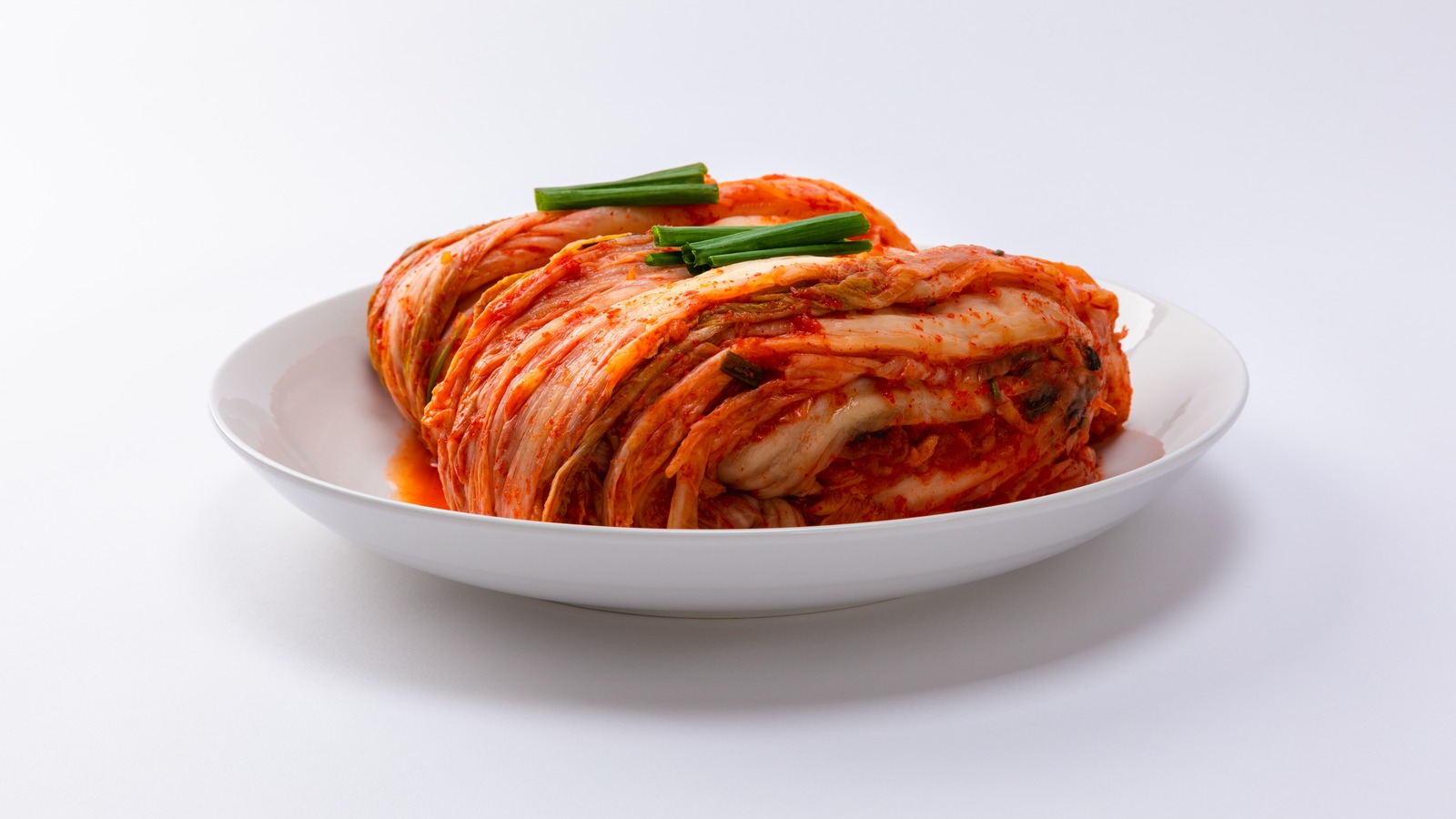
The Traditional Way To Eat Kimchi, For The Uninitiated
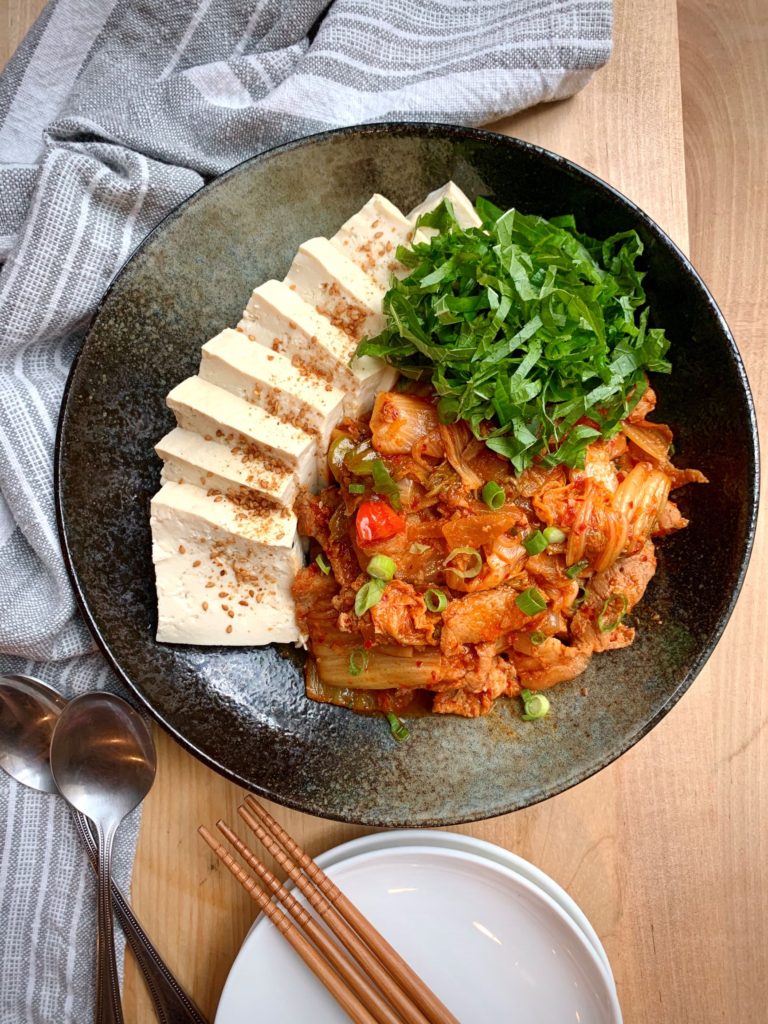
StirFried Kimchi with Tofu, Dubu Kimchi ⋆ Seasoned by Jin

First try making kimbap. With home made kimchi of course ) tasted
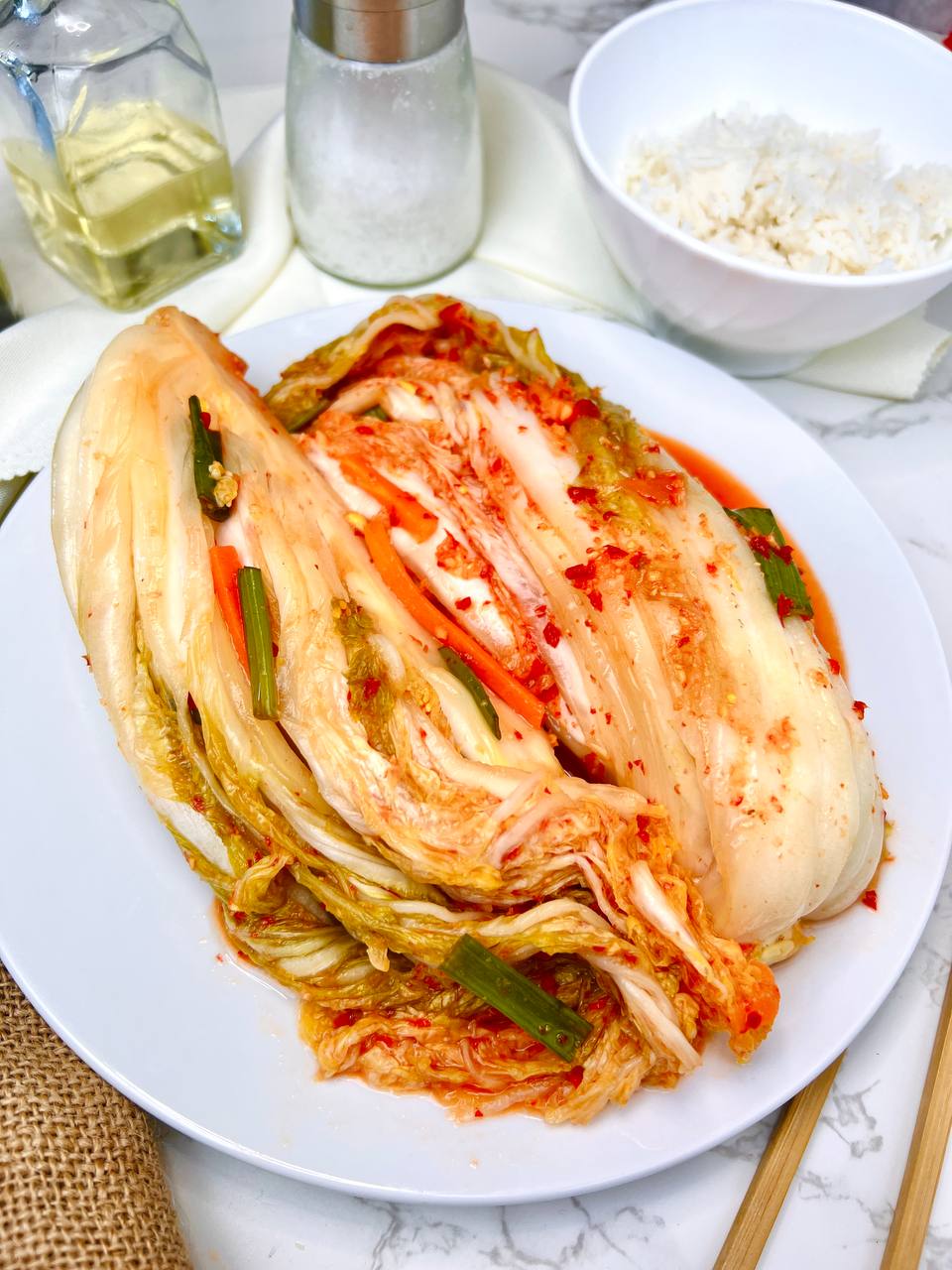
Homemade Traditional Korean Kimchi Step by Step Recipe
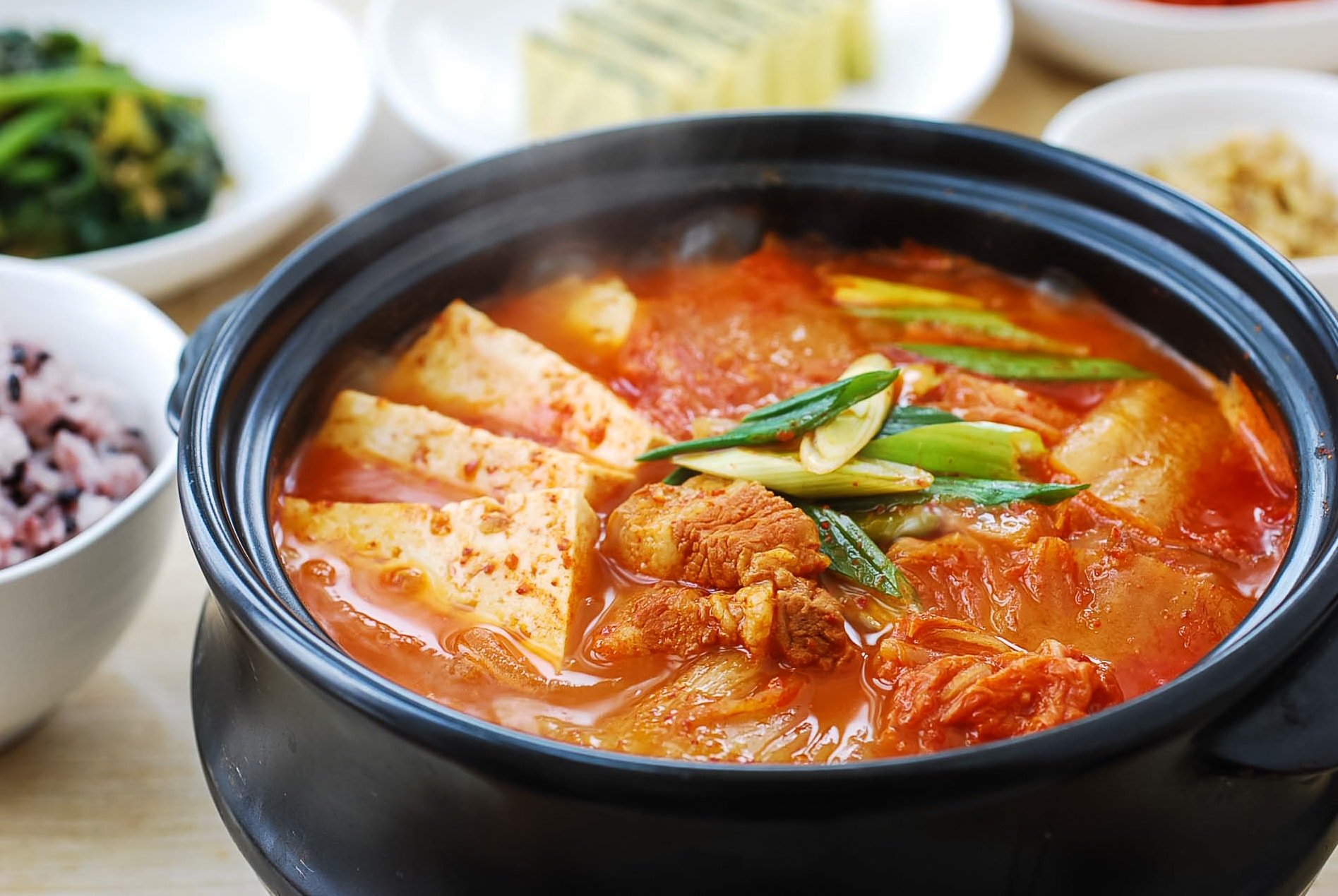
Kimchi Jjigae (Kimchi Stew) Korean Bapsang

Kimchi Recipe (How to Make Kimchi) Chili Pepper Madness
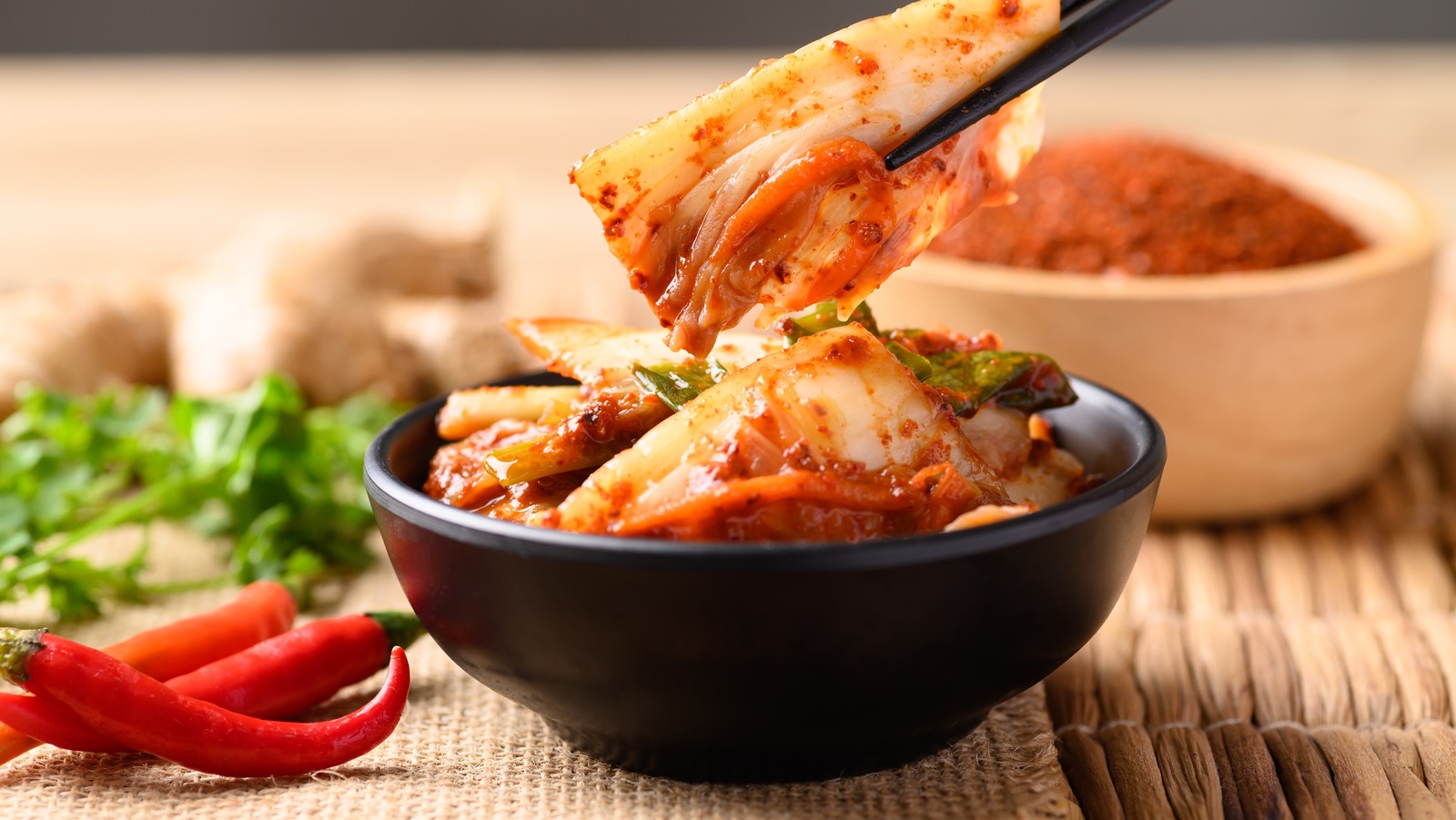
14 Of The Best Ways To Use Kimchi

Sichuan Pepper Cabbage Kimchi + Sweet Miso Pumpkin Kimchi food to glow
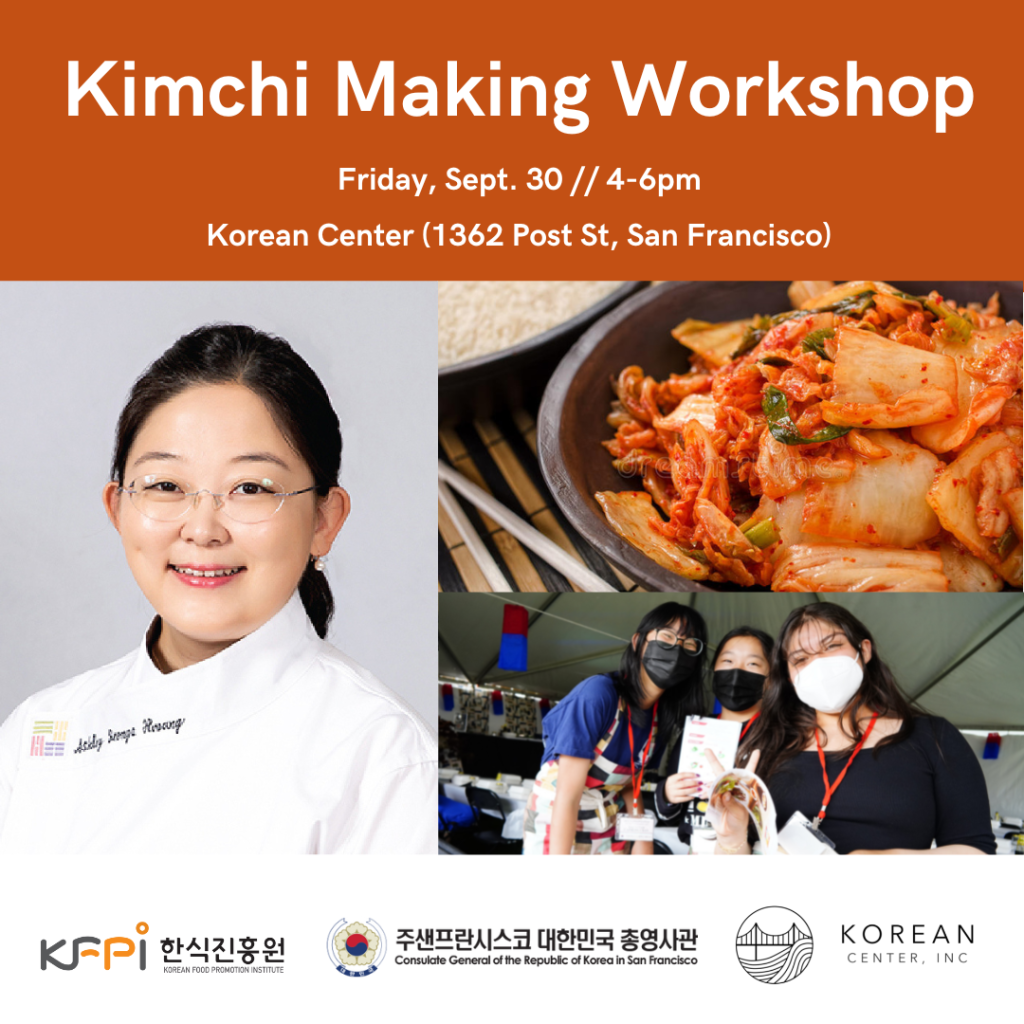
EVENTS & Korean Center, Inc.
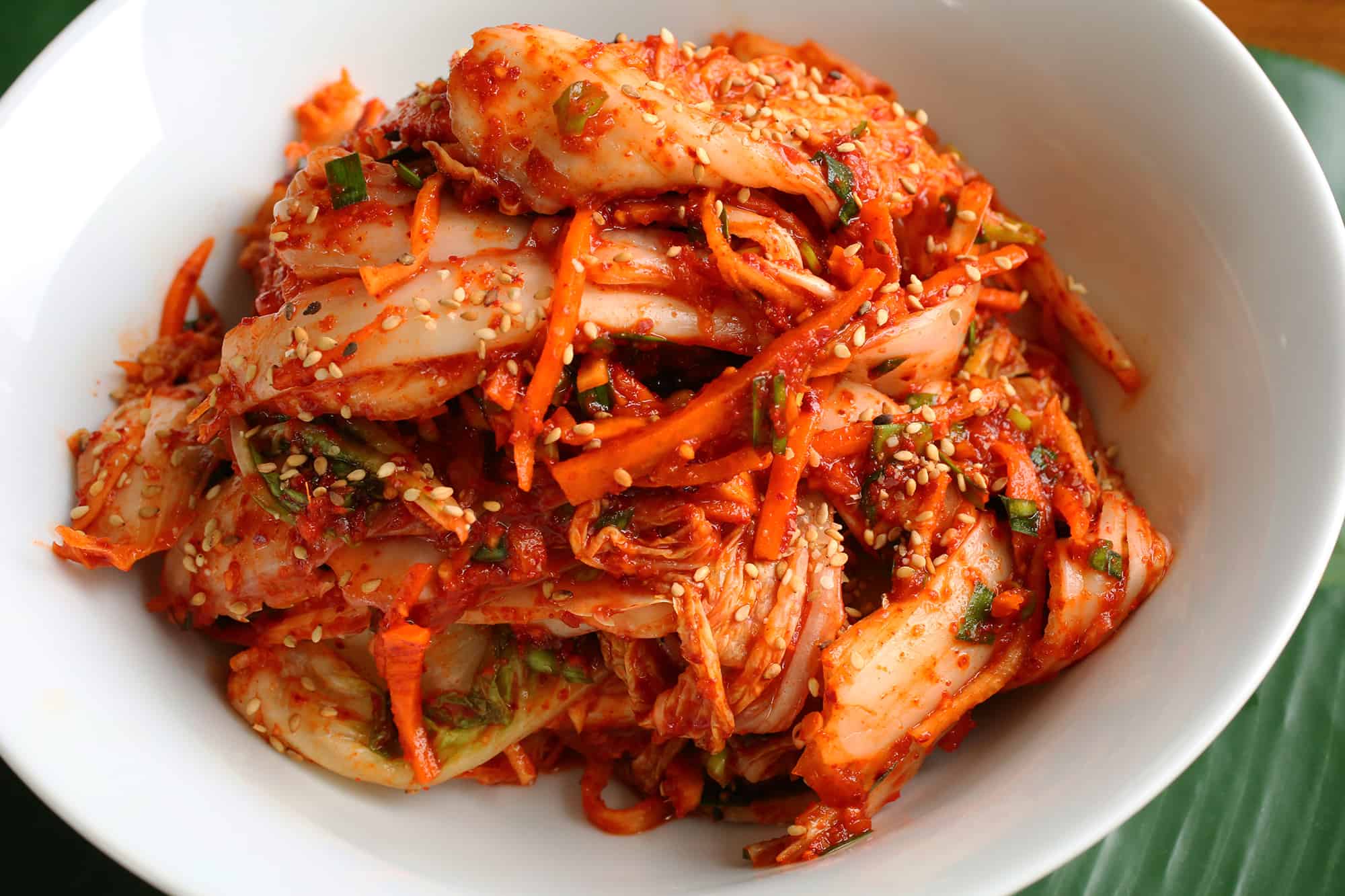
Korean food photo Fresh kimchi with barley rice for my lunch
Traditionally, Kimchi Consists Of Napa Cabbage, Garlic, Ginger, Gochugaru (Red Pepper Flakes), Salt, And Scallions.
Cookorean Cooking Class Offers New Interests In Korean Food And Culture.
We’ll Explore This Traditional Korean Staple's History And Cultural Significance, Delving Into The Nuances.
The Kimchi Master Course Is Created To Be Viewed In Chronological Order.
Related Post: