
Radiology Tech Required Courses
Radiology Tech Required Courses - Students applying to the course. Malcolm x college radiologic technology program is accredited by the joint review commission on education in radiologic technology (jrcert). Work in hospitals, clinics, or mobile. To become a radiology technologist, you’ll need to earn either an associate or a bachelor’s degree. Certificate programs do not meet the american registry of radiologic. Additional areas for career opportunities in rad tech are mammography, diagnostic ultrasound, angiography, ct, mri, pet, radiation therapy and health education. Read more about radiologic technologist and technician schools in illinois with our table of rad tech programs, student reviews, profiles of available programs, and more below. With a degree in radiologic science and technology, graduates can pursue various career paths in medical imaging and healthcare. Before enrolling in a radiology program, students must complete prerequisite courses. Radiology technologists need to have at least an associate degree. Required courses include radiation biology; With an associate’s degree in radiologic technology, gain proficiency in diagnostic imaging, medical. Before enrolling in a radiology program, students must complete prerequisite courses. You can choose from a certificate, associate degree, or. Radiology technologists need to have at least an associate degree. Aspiring radiologic technologists must meet academic prerequisites including a high school diploma or ged, a minimum gpa of 2.0, and completion of specific science and math. To best prepare for a career in radiologic technology, it is advisable to enroll in rigorous science courses such as biology, chemistry, and physics. Additional areas for career opportunities in rad tech are mammography, diagnostic ultrasound, angiography, ct, mri, pet, radiation therapy and health education. There are two types of. These may include anatomy and physiology, general psychology, medical. Earn your high school diploma or ged. Completion of these specific courses and/or special requirements may be necessary for timely progress through a major. Before enrolling in a radiology program, students must complete prerequisite courses. Radiology courses are limited to students of the radiology technology program. Most individuals pursue an associate degree in radiologic. Most individuals pursue an associate degree in radiologic. You’ll need a high school education to apply to radiology technology programs. Complete 64 credit hours as outlined in the course of study. Radiology courses are limited to students of the radiology technology program. Of the 82 credit hours required to earn the degree, 57 credit hours are centered on the study. Additional areas for career opportunities in rad tech are mammography, diagnostic ultrasound, angiography, ct, mri, pet, radiation therapy and health education. Completion of these specific courses and/or special requirements may be necessary for timely progress through a major. Prerequisite and general education/mntc courses are available in a mix of daytime, evening, and online. Most individuals pursue an associate degree in. Completion of these specific courses and/or special requirements may be necessary for timely progress through a major. To succeed in this career,. To best prepare for a career in radiologic technology, it is advisable to enroll in rigorous science courses such as biology, chemistry, and physics. This curriculum requires a minimum of two years of didactic and clinical experience. Becoming. Prerequisite and general education/mntc courses are available in a mix of daytime, evening, and online. Most individuals pursue an associate degree in radiologic. Aspiring radiologic technologists must meet academic prerequisites including a high school diploma or ged, a minimum gpa of 2.0, and completion of specific science and math. To become a radiology technologist, you’ll need to earn either an. Additional areas for career opportunities in rad tech are mammography, diagnostic ultrasound, angiography, ct, mri, pet, radiation therapy and health education. To become a radiology technologist, you’ll need to earn either an associate or a bachelor’s degree. In as few as 24 months, you could be ready to work as a radiologic technologist. With an associate’s degree in radiologic technology,. Earn your high school diploma or ged. Here are some key career options available: In as few as 24 months, you could be ready to work as a radiologic technologist. Required courses include radiation biology; Malcolm x college radiologic technology program is accredited by the joint review commission on education in radiologic technology (jrcert). To best prepare for a career in radiologic technology, it is advisable to enroll in rigorous science courses such as biology, chemistry, and physics. Most individuals pursue an associate degree in radiologic. This curriculum requires a minimum of two years of didactic and clinical experience. Earn your high school diploma or ged. Required courses include radiation biology; Radiology technologists need to have at least an associate degree. Additional areas for career opportunities in rad tech are mammography, diagnostic ultrasound, angiography, ct, mri, pet, radiation therapy and health education. Work in hospitals, clinics, or mobile. Most individuals pursue an associate degree in radiologic. Certificate programs do not meet the american registry of radiologic. Graduate in seven quarters and be eligible for the arrt certification exam; You’ll need a high school education to apply to radiology technology programs. In nearly all states, radiologic technologists (also known as rad techs or rts) must have at least an associate’s degree in order to use diagnostic medical imaging equipment (although there. Work in hospitals, clinics, or mobile.. With a degree in radiologic science and technology, graduates can pursue various career paths in medical imaging and healthcare. Students applying to the course. In as few as 24 months, you could be ready to work as a radiologic technologist. Complete 64 credit hours as outlined in the course of study. Here are the three most common rad tech programs you’re likely to encounter. Here are some key career options available: Before enrolling in a radiology program, students must complete prerequisite courses. There are two types of. Certificate programs do not meet the american registry of radiologic. Required courses include radiation biology; Radiology courses are limited to students of the radiology technology program. With an associate’s degree in radiologic technology, gain proficiency in diagnostic imaging, medical. Most individuals pursue an associate degree in radiologic. Of the 82 credit hours required to earn the degree, 57 credit hours are centered on the study of radiologic technology and patient care. Radiographic technologists—also called radiologic technologists, radiographers, rad techs and rts—only need an associate degree to start working. Work in hospitals, clinics, or mobile.
Radiography Education Requirements at Arlene Cruz blog

RADIOLOGY TECHNICIAN COURSE Neet Exam PDF RADIOLOGY TECHNICIAN

Xray technician Radiographer Radio technician complete course
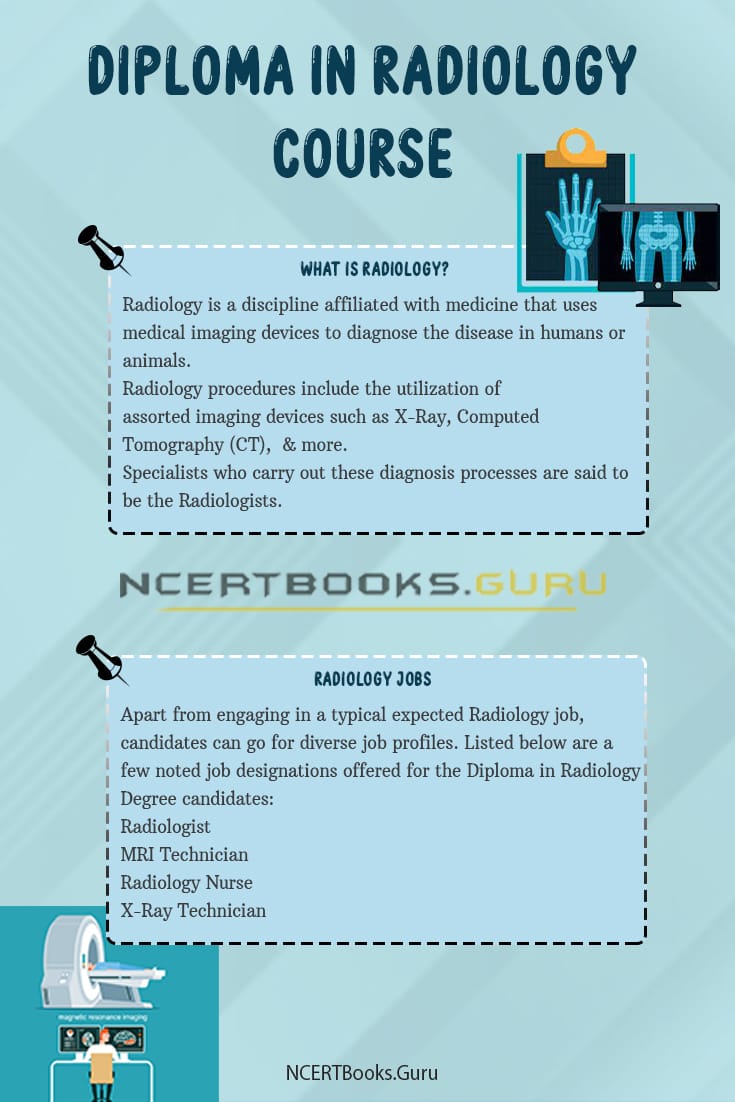
Radiology Diploma Course Details Eligibility, Fees, Syllabus, Careers
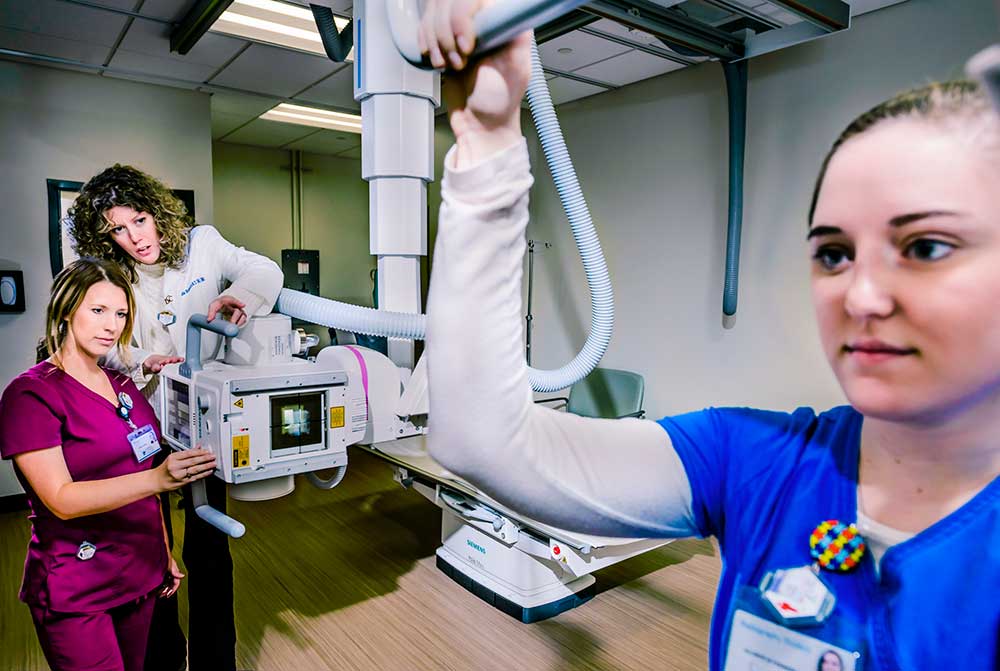
Radiologic Technology Program Overview Lansing Community College
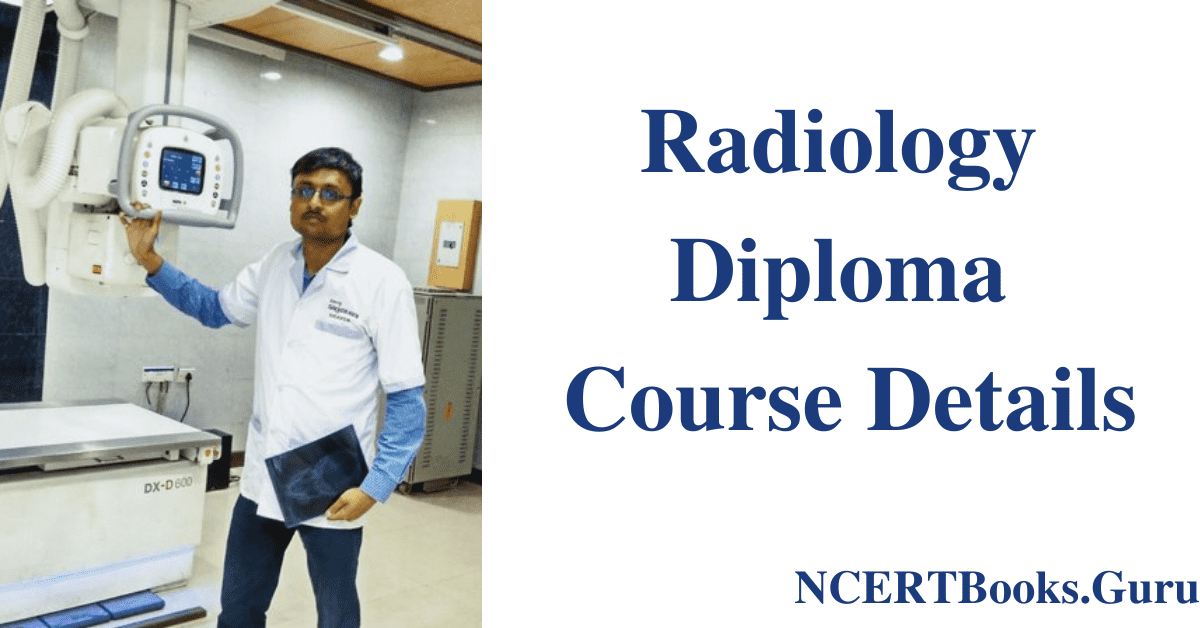
Radiography And Imaging Technology Course at Numbers Mcleod blog

Free Radiology Technician Course (1year Diploma Course) Rita

X Ray Technician Training
Radiology Technician Certification
ABR
You’ll Need A High School Education To Apply To Radiology Technology Programs.
To Become A Radiologic Technologist, You Must First Complete The Appropriate Educational Requirements.
Earn Your High School Diploma Or Ged.
In Nearly All States, Radiologic Technologists (Also Known As Rad Techs Or Rts) Must Have At Least An Associate’s Degree In Order To Use Diagnostic Medical Imaging Equipment (Although There.
Related Post: