
What Makes A Links Golf Course
What Makes A Links Golf Course - Today, the term “links” is used to describe any golf course that has a natural, open layout and features features such as sand dunes, rough, and pot bunkers. What are common links course design features? The classes are designed to. Learn about the origin, popularity, and characteristics of links courses, and see some of the most famous ones in the world. Links golf courses are celebrated for their distinctive characteristics and historical significance in the worl. It is where the sport, as we know it, originated from, and it’s where you’ll find the ultimate test of. A links golf course is a type of golf course built on sandy soil with few trees and more wide open spaces. While house price growth is expected to slow further, towards 1 to 1.5%, we're still on course for a 5% uplift in sales volumes in 2025, assuming sellers remain pragmatic on. First and foremost, a true links course is plopped directly on top of sandy soil. Known for their natural and rugged terrains, featuring undulating fairways, deep bunkers, and unpredictable coastal winds, the links golf courses create a demanding. What makes links golf courses different from parkland courses? The classes are designed to. A links golf course is a type of golf course built on sandy soil with few trees and more wide open spaces. What are common links course design features? Playing a links golf course can be very different than what most of us are used to but it can also be a fun way to gain a new perspective on your golf game. The course is flanked by houses, but they are so varied that. Below are some of the critical characteristics that make up a true links course. What makes a links so special? What is a links golf course? Unlike parkland courses with abundant trees and water hazards, links courses emphasize the. Ludvig åberg, wyndham clark, min woo lee, shane lowry all in all, the 24 golfers share 230 pga tour wins, 33 major championships and 834 weeks at no. Known for their natural and rugged terrains, featuring undulating fairways, deep bunkers, and unpredictable coastal winds, the links golf courses create a demanding. First and foremost, a true links course is plopped. Below are some of the critical characteristics that make up a true links course. How do you play links style golf? Links courses are near the ocean with wind, sand dunes, and few trees. Parkland courses are more wooded and smoother with. For many, playing a links golf course delivers the game in its purest form. Links golf courses retain the authentic spirit, charm and challenge inherent from golf’s origins along the coastal dunes and landscapes of the british isles centuries ago. A links golf course is a type of golf course built on sandy soil with few trees and more wide open spaces. Many traditionalists consider links to be the ultimate test of a golfer’s. Links golf courses are celebrated for their distinctive characteristics and historical significance in the worl. What makes a links so special? How do you play links style golf? First and foremost, a true links course is plopped directly on top of sandy soil. What are common links course design features? The opening nine at casa de campo’s the links golf course offers endless lush green views. It is where the sport, as we know it, originated from, and it’s where you’ll find the ultimate test of. What makes links golf courses different from parkland courses? Links golf is a traditional style of golf played on coastal courses with sandy soil,. A links golf course is a type of golf course built on sandy soil near the coast. Unlike parkland courses with abundant trees and water hazards, links courses emphasize the. Links golf courses retain the authentic spirit, charm and challenge inherent from golf’s origins along the coastal dunes and landscapes of the british isles centuries ago. For many, playing a. What makes a links so special? While house price growth is expected to slow further, towards 1 to 1.5%, we're still on course for a 5% uplift in sales volumes in 2025, assuming sellers remain pragmatic on. A links golf course is a type of golf course built on sandy soil near the coast. The classes are designed to. What. Unlike parkland courses with abundant trees and water hazards, links courses emphasize the. Links golf courses retain the authentic spirit, charm and challenge inherent from golf’s origins along the coastal dunes and landscapes of the british isles centuries ago. Known for their natural and rugged terrains, featuring undulating fairways, deep bunkers, and unpredictable coastal winds, the links golf courses create. Often referred to as golf in its purest form, links golf is as unique as it gets. For many, playing a links golf course delivers the game in its purest form. The classes are designed to. What makes a links so special? Parkland courses are more wooded and smoother with. Playing a links golf course can be very different than what most of us are used to but it can also be a fun way to gain a new perspective on your golf game. It is a game played close to the. While house price growth is expected to slow further, towards 1 to 1.5%, we're still on course for. What is a links golf course? Links golf courses are celebrated for their distinctive characteristics and historical significance in the worl. Unlike parkland courses with abundant trees and water hazards, links courses emphasize the. Below are some of the critical characteristics that make up a true links course. The opening nine at casa de campo’s the links golf course offers endless lush green views. Parkland courses are more wooded and smoother with. What makes links golf courses different from parkland courses? Today, the term “links” is used to describe any golf course that has a natural, open layout and features features such as sand dunes, rough, and pot bunkers. A links course in golf features rolling hills, sandy soil, and grassland close to the coast. A links golf course is a type of golf course built on sandy soil near the coast. What makes a links so special? What are common links course design features? Learn about the origin, popularity, and characteristics of links courses, and see some of the most famous ones in the world. Links golf is a traditional style of golf played on coastal courses with sandy soil, undulating fairways, deep pot bunkers, and minimal tree coverage. A links golf course is a type of golf course built on sandy soil with few trees and more wide open spaces. While house price growth is expected to slow further, towards 1 to 1.5%, we're still on course for a 5% uplift in sales volumes in 2025, assuming sellers remain pragmatic on.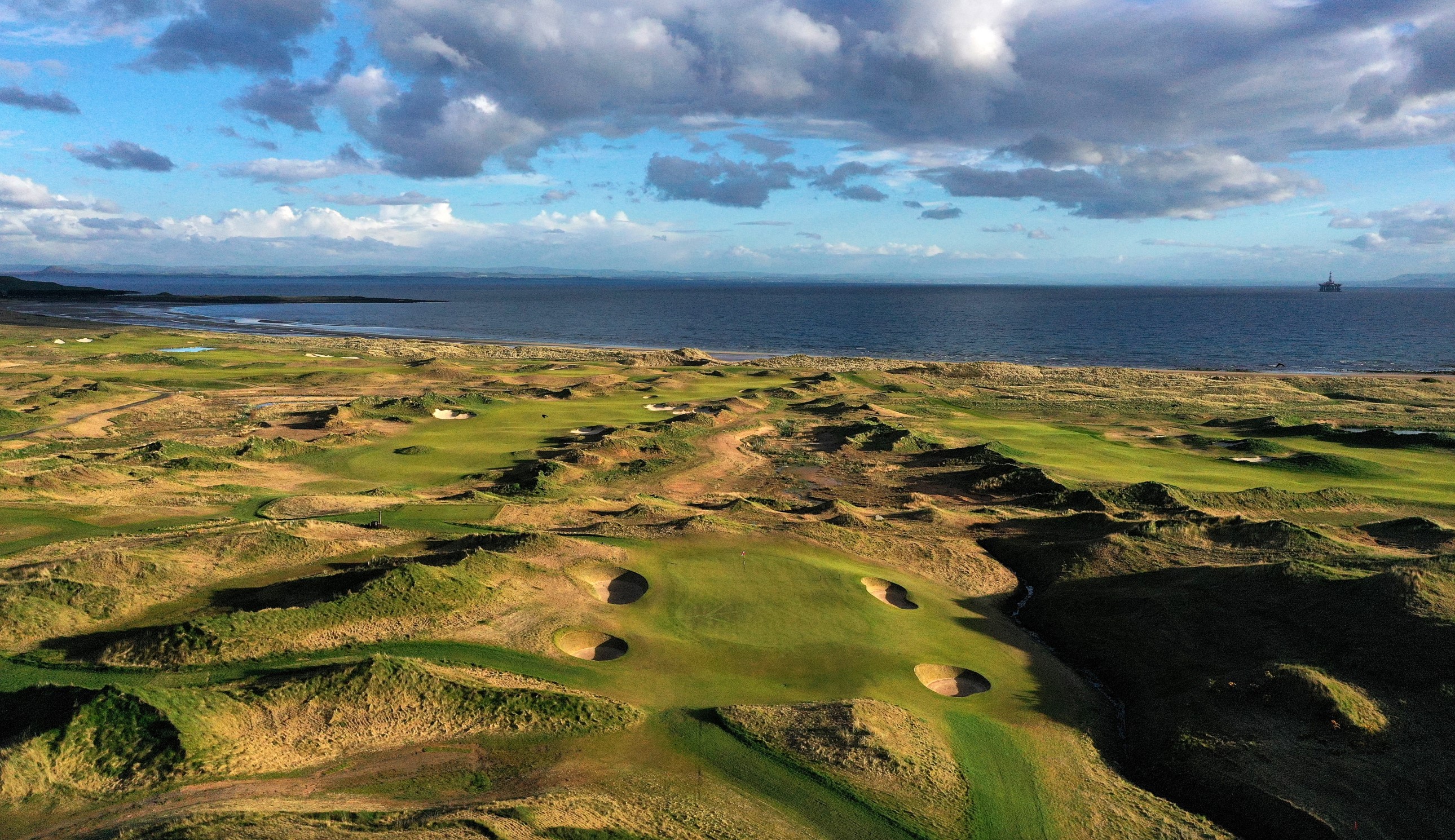
What Is A Links Golf Course? Golf Monthly Golf Monthly
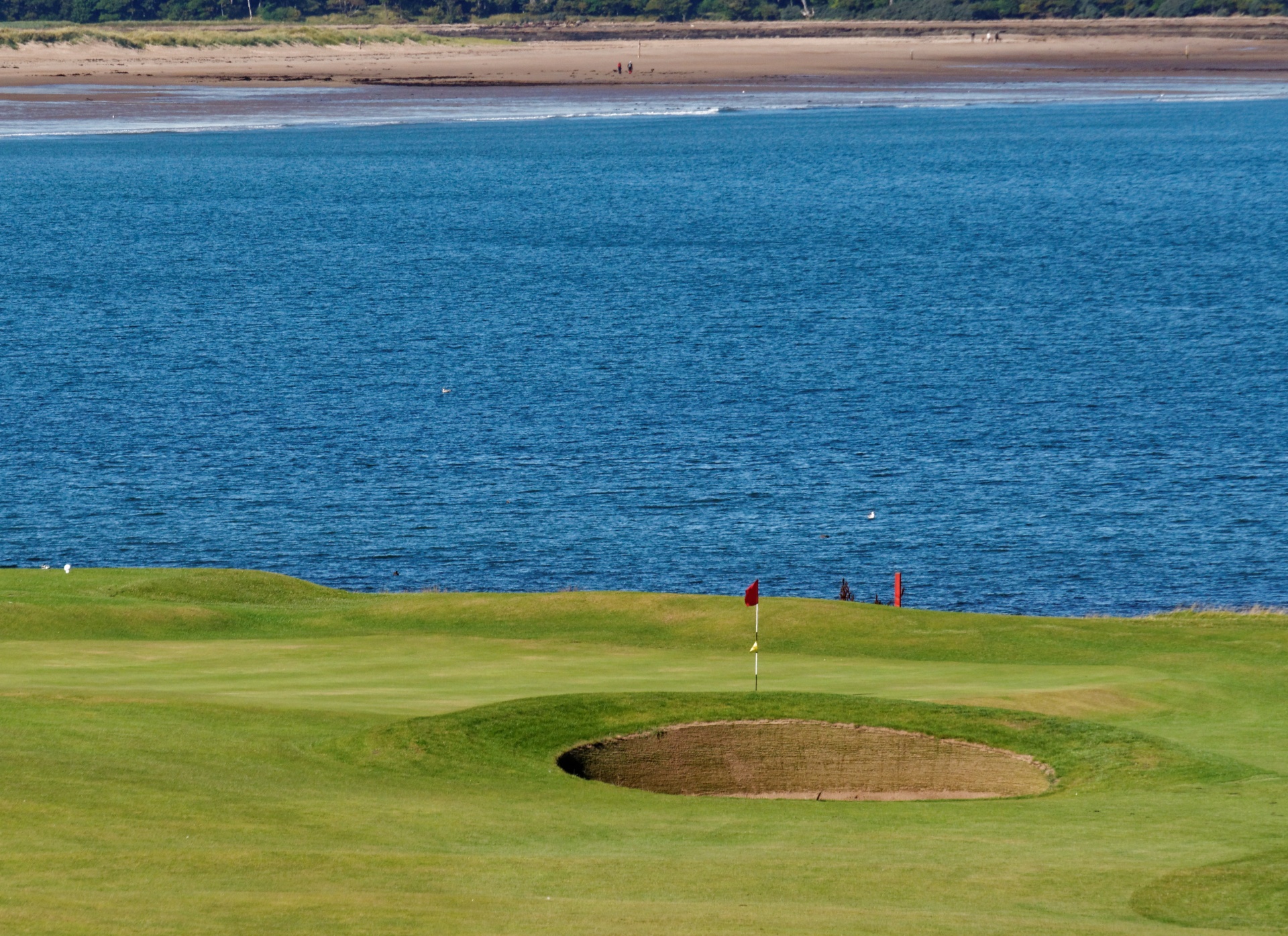
What Defines Links Golf Course
:max_bytes(150000):strip_icc()/carnoustie-links-course-5a01fe63b39d0300196a00ca.jpg)
What Is a Links Golf Course?
![What Is A Links Golf Course? [Explained] eeegolf](https://i0.wp.com/images.surferseo.art/33c2b7d0-9869-43aa-9d4c-fd52c8cb5eb8.png?w=1356&ssl=1)
What Is A Links Golf Course? [Explained] eeegolf
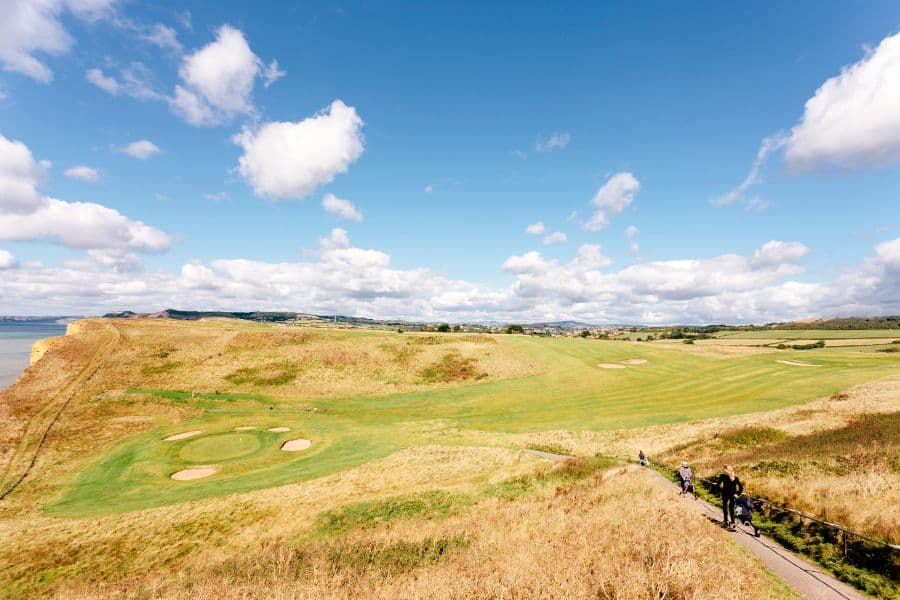
What Is A Links Golf Course? Definition, Origin, And Types

Unlocking A Mystery What Is A Links Golf Course? Explained!

What is Links Golf? (Links Golf Courses, Explained) • Honest Golfers
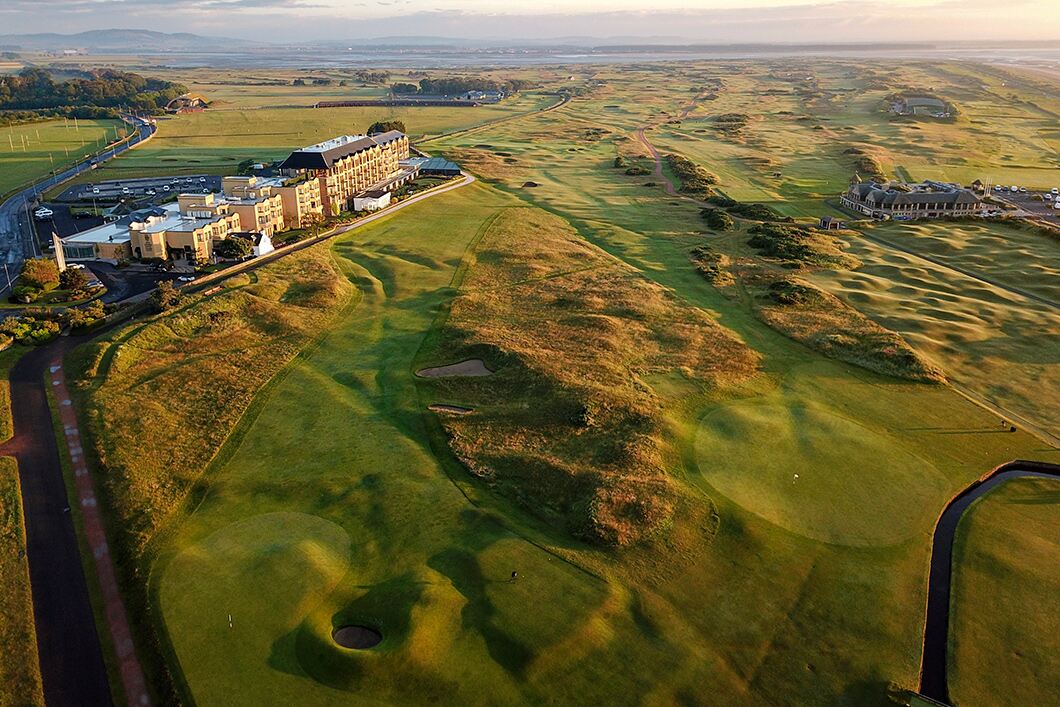
What Is Links Golf Links Golf Courses Explained
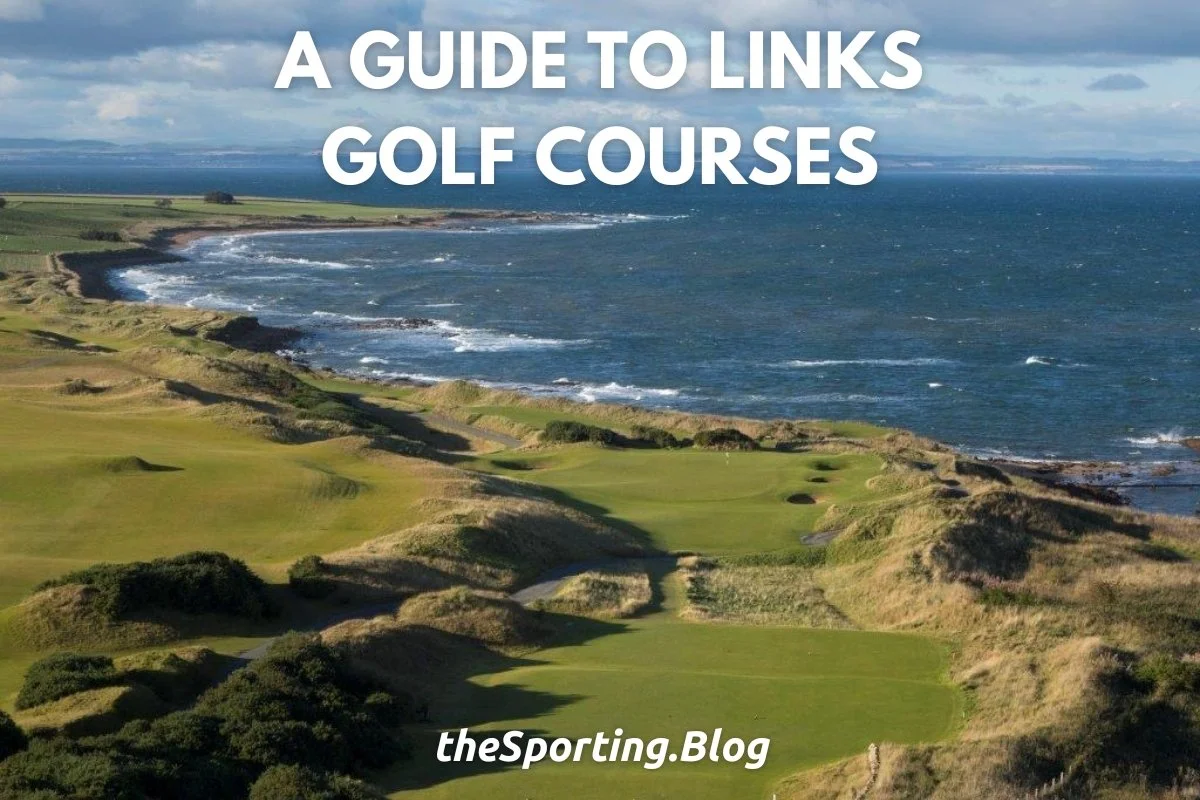
A Guide to Links Golf Courses Where the Game of Golf was Born — The
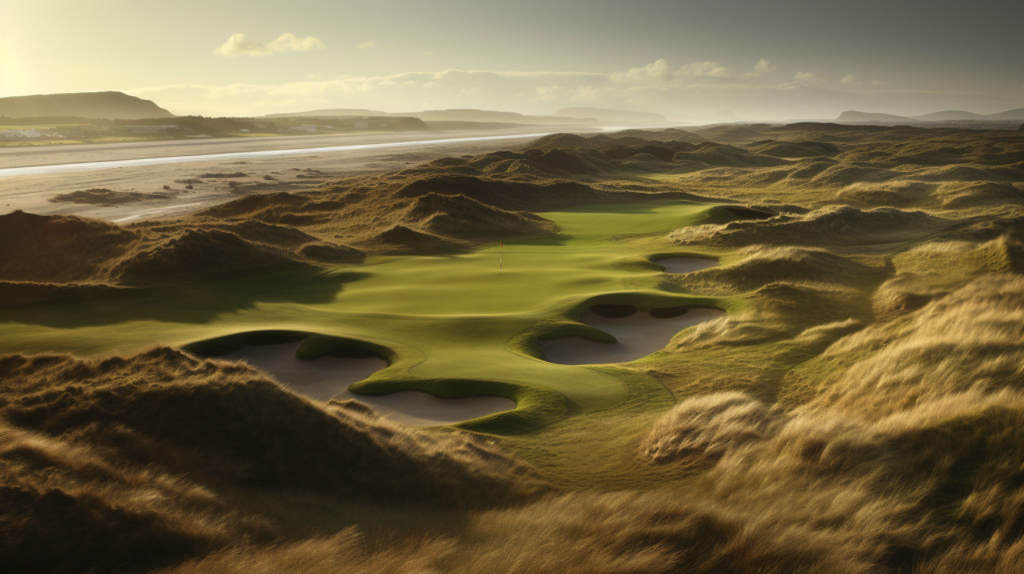
What is a Links Golf Course?
Many Traditionalists Consider Links To Be The Ultimate Test Of A Golfer’s Skill And One That Demands Imagination And Creativity More Than Raw Power.
The Course Is Flanked By Houses, But They Are So Varied That.
Playing A Links Golf Course Can Be Very Different Than What Most Of Us Are Used To But It Can Also Be A Fun Way To Gain A New Perspective On Your Golf Game.
First And Foremost, A True Links Course Is Plopped Directly On Top Of Sandy Soil.
Related Post: